

Fluorescent lamps have long been a staple in lighting solutions, offering energy - efficient illumination for various settings. At the heart of these lamps lies a crucial component: the filament, and tungsten plays an indispensable role in its production. As a trusted tungsten supplier, I am excited to delve into the fascinating world of how tungsten is utilized in creating filaments for fluorescent lamps.
The Unique Properties of Tungsten
Tungsten, with the chemical symbol W and atomic number 74, is a remarkable metal. It boasts the highest melting point of all metals, a staggering 3422°C (6192°F). This extreme heat - resistance is vital for filaments in fluorescent lamps. When an electric current passes through the filament, it heats up, and the high melting point of tungsten ensures that it can withstand the intense temperatures generated without melting or deforming easily.
Another significant property of tungsten is its high tensile strength. This means that it can be drawn into thin wires, which are essential for the construction of filaments. The ability to form thin wires allows for a large surface area within a small space, maximizing the light - emitting efficiency of the filament. Additionally, tungsten has a relatively low vapor pressure at high temperatures. This property reduces the rate at which the tungsten evaporates during the operation of the lamp, thereby extending the lifespan of the filament.
The Manufacturing Process of Tungsten Filaments
Powder Production
The journey of tungsten in filament production begins with the extraction and refinement of tungsten ore. The ore is first processed to obtain tungsten oxide, which is then reduced to tungsten powder using hydrogen gas at high temperatures. This tungsten powder is of high purity, as any impurities can significantly affect the performance of the filament. The quality of this powder is closely monitored, as it forms the basis for the subsequent manufacturing steps.
Wire Drawing
Once the tungsten powder is ready, it is compacted into bars through a process called powder metallurgy. These bars are then heated and drawn through a series of dies to gradually reduce their diameter and increase their length. This wire - drawing process is a critical step, as it aligns the tungsten grains in the wire, enhancing its mechanical properties. The final diameter of the wire depends on the specific requirements of the fluorescent lamp, but it is typically very thin, often on the order of a few micrometers.
Coiling
After the wire is drawn to the desired diameter, it is coiled into a helical shape. This coiling serves multiple purposes. Firstly, it increases the effective length of the filament within a limited space, allowing for more light to be emitted. Secondly, it helps to contain the heat generated by the filament, improving the efficiency of the lamp. The coiling process requires precision, as the pitch and diameter of the coil must be carefully controlled to ensure uniform heating and light emission.
Doping
In some cases, the tungsten filament is doped with small amounts of other elements, such as thorium or rhenium. Doping can enhance the performance of the filament in several ways. For example, thorium can improve the electron emission properties of the filament, making it easier for the lamp to start and operate. Rhenium, on the other hand, can increase the ductility and strength of the tungsten wire, reducing the likelihood of breakage during the manufacturing process and in use.
The Role of Tungsten in Fluorescent Lamp Operation
Electron Emission
When an electric current is applied to the tungsten filament in a fluorescent lamp, the filament heats up and begins to emit electrons through a process called thermionic emission. These electrons collide with mercury vapor atoms inside the lamp, exciting them to a higher energy state. When the excited mercury atoms return to their ground state, they emit ultraviolet (UV) light.
Phosphor Conversion
The UV light emitted by the mercury atoms is not visible to the human eye. To convert this UV light into visible light, the inner surface of the fluorescent lamp is coated with a phosphor material. The UV light strikes the phosphor, causing it to fluoresce and emit visible light. The color of the light emitted by the phosphor depends on its chemical composition, and different phosphors can be used to produce different colors of light, such as warm white or cool white.
The Importance of Tungsten Quality
As a tungsten supplier, I understand the critical importance of providing high - quality tungsten for filament production. Any impurities in the tungsten can lead to a variety of problems. For example, impurities can cause uneven heating of the filament, leading to hot spots that can shorten its lifespan. They can also affect the electron emission properties of the filament, making it more difficult for the lamp to start and operate efficiently.
To ensure the highest quality, we implement strict quality control measures throughout the production process. From the extraction of the tungsten ore to the final delivery of the tungsten products, every step is carefully monitored and tested. We use advanced analytical techniques to detect and remove any impurities, ensuring that our tungsten meets the strict requirements of the fluorescent lamp industry.
Related Tungsten Products
In addition to tungsten filaments, there are other tungsten - based products that are relevant to the lighting industry. Tungsten Crucibles are often used in the melting and processing of other metals and materials during the manufacturing of lamp components. These crucibles can withstand high temperatures and are resistant to chemical corrosion, making them ideal for use in high - temperature applications.
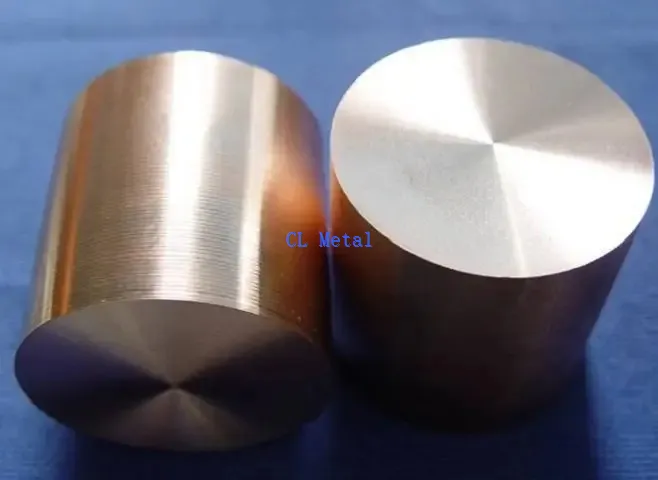

Tungsten Copper Alloy is another important material. It combines the high thermal conductivity of copper with the high melting point and strength of tungsten. This alloy is used in various electrical and electronic applications, including some parts of fluorescent lamps, where it can help to dissipate heat and improve the overall performance of the lamp.
Tungsten Wire, apart from being used in filaments, has other applications in the lighting industry. It can be used as support structures or electrodes in some types of lamps, providing mechanical stability and electrical conductivity.
Conclusion
Tungsten is an essential material in the production of filaments for fluorescent lamps. Its unique properties, such as high melting point, high tensile strength, and low vapor pressure, make it the ideal choice for this application. The manufacturing process of tungsten filaments is a complex and precise one, involving multiple steps from powder production to coiling and doping.
As a tungsten supplier, we are committed to providing high - quality tungsten products to meet the needs of the fluorescent lamp industry. Our strict quality control measures ensure that our tungsten is free from impurities and meets the highest standards. Whether you are a manufacturer of fluorescent lamps or involved in related industries, we invite you to contact us for more information about our tungsten products and to discuss potential procurement opportunities. We look forward to working with you to contribute to the continued development of the lighting industry.
References
- "Tungsten: Properties, Chemistry, Technology of the Element, Alloys, and Chemical Compounds" by K. Y. Przhevalskii
- "Handbook of Lighting Technology" edited by Wolfgang Krämer and Thomas Schmitz - Radefeld