

Titanium is a remarkable metal known for its high strength, low density, and excellent corrosion resistance. As a titanium supplier, I've witnessed firsthand the growing demand for titanium in various industries, from aerospace and automotive to medical and consumer goods. However, like any industrial process, titanium production has environmental impacts that we need to understand and address. In this blog, I'll explore the environmental implications of titanium production and discuss some of the ways we can mitigate them.
Mining and Ore Extraction
The first step in titanium production is mining and ore extraction. Titanium is primarily found in two main minerals: ilmenite (FeTiO₃) and rutile (TiO₂). Mining these minerals involves the removal of large amounts of earth and rock, which can lead to significant land disturbance. Surface mining methods, such as open - pit mining, can result in the destruction of natural habitats, soil erosion, and the loss of biodiversity.
During the extraction process, chemicals are often used to separate titanium minerals from other components in the ore. For example, sulfuric acid is commonly used in the production of titanium dioxide pigment from ilmenite. The use of such chemicals can have a negative impact on water quality if not properly managed. Acidic wastewater can contaminate nearby rivers and groundwater, harming aquatic life and making water unfit for human consumption.
Energy Consumption
Titanium production is an energy - intensive process. The extraction of titanium from its ores requires high temperatures and complex chemical reactions. For instance, the Kroll process, which is the most common method for producing titanium metal, involves the reduction of titanium tetrachloride (TiCl₄) with magnesium at high temperatures (around 800 - 900°C). This process consumes a large amount of electricity and fossil fuels, contributing to greenhouse gas emissions.
The energy consumption in titanium production also has indirect environmental impacts. The generation of electricity often relies on the burning of coal, oil, or natural gas, which releases carbon dioxide (CO₂), sulfur dioxide (SO₂), and nitrogen oxides (NOₓ) into the atmosphere. These pollutants are major contributors to climate change, acid rain, and smog.
Waste Generation
Another significant environmental concern in titanium production is waste generation. The Kroll process produces a large amount of magnesium chloride (MgCl₂) as a by - product. If not properly recycled or disposed of, this waste can have a negative impact on the environment. Magnesium chloride can be corrosive and can contaminate soil and water if it leaches into the ground.
In addition to magnesium chloride, other waste materials are generated during titanium production, such as slag from the smelting process and spent chemicals from the purification steps. These waste materials need to be managed carefully to prevent environmental pollution.

Mitigation Strategies
Despite the environmental challenges associated with titanium production, there are several strategies that can be employed to reduce its environmental footprint.
Sustainable Mining Practices
Mining companies can adopt more sustainable mining practices to minimize land disturbance and protect natural habitats. This includes reclamation of mined areas, where the land is restored to its original or a similar ecological state after mining operations have ceased. Additionally, using advanced exploration techniques can help to target ore deposits more accurately, reducing the amount of overburden (unwanted rock and soil) that needs to be removed.
Energy Efficiency Improvements
To reduce energy consumption and greenhouse gas emissions, titanium producers can invest in energy - efficient technologies. For example, the development of new reduction processes that require less energy or the use of renewable energy sources such as solar, wind, or hydroelectric power can significantly reduce the carbon footprint of titanium production. Some companies are also exploring the use of waste heat recovery systems to capture and reuse the heat generated during the production process.
Waste Recycling and Management
Recycling is an effective way to reduce waste generation in titanium production. Magnesium chloride, for example, can be recycled and reused in the Kroll process. Additionally, other waste materials can be processed to recover valuable metals and chemicals. Proper waste management practices, such as the construction of lined landfills and the treatment of wastewater, can also prevent environmental pollution.
Our Commitment as a Titanium Supplier
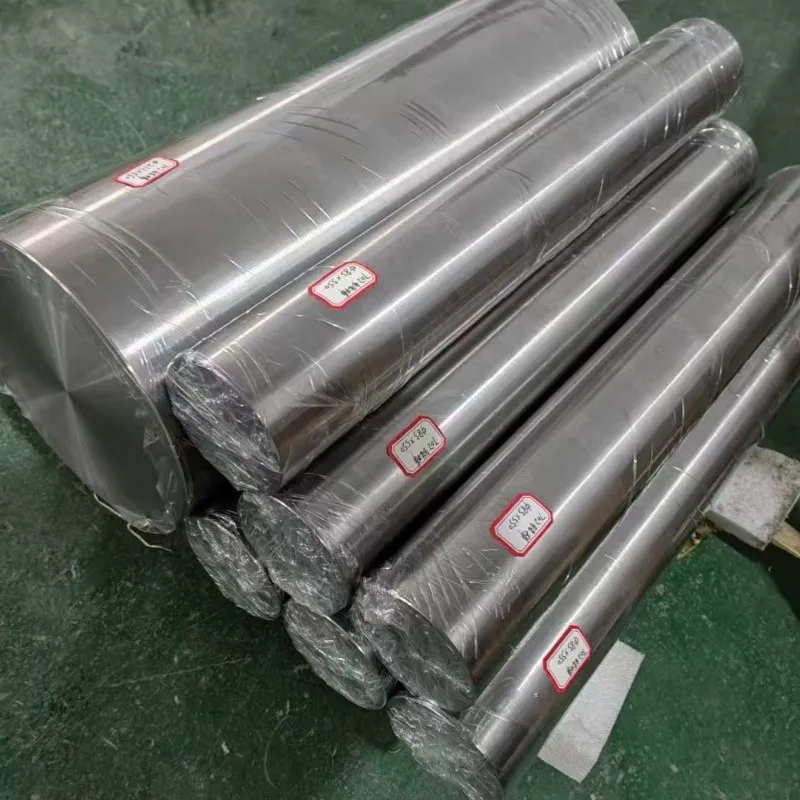
As a titanium supplier, we are committed to promoting sustainable practices in the titanium industry. We work closely with our suppliers to ensure that they follow environmental regulations and adopt sustainable mining and production methods. We also offer a range of high - quality titanium products, such as Gr1 Titanium Rod, Titanium Alloy Investment Precision Casting, and Gr5 Titanium Rod, which are produced with a focus on minimizing environmental impact.
We believe that by working together with our customers, suppliers, and other stakeholders, we can make the titanium industry more sustainable. We encourage our customers to choose titanium products that are produced in an environmentally responsible manner and to support initiatives that aim to reduce the environmental footprint of titanium production.
Contact Us for Sustainable Titanium Procurement
If you are interested in procuring high - quality titanium products while also being environmentally conscious, we invite you to contact us for a detailed discussion. Our team of experts is ready to assist you in finding the right titanium solutions for your specific needs. We can provide you with information on the environmental performance of our products and help you make informed decisions.
References
- Habashi, F. (2006). Extractive Metallurgy of Titanium. Montreal: Laval University Press.
- International Titanium Association. (2020). Titanium: The Metal of Choice for the 21st Century.
- United Nations Environment Programme. (2019). Global Resource Outlook 2019: Natural Resources for the Future We Want.