


Application of Titanium Anode Technology for Pool Disinfection
Principle of Titanium Anode Disinfection Technology
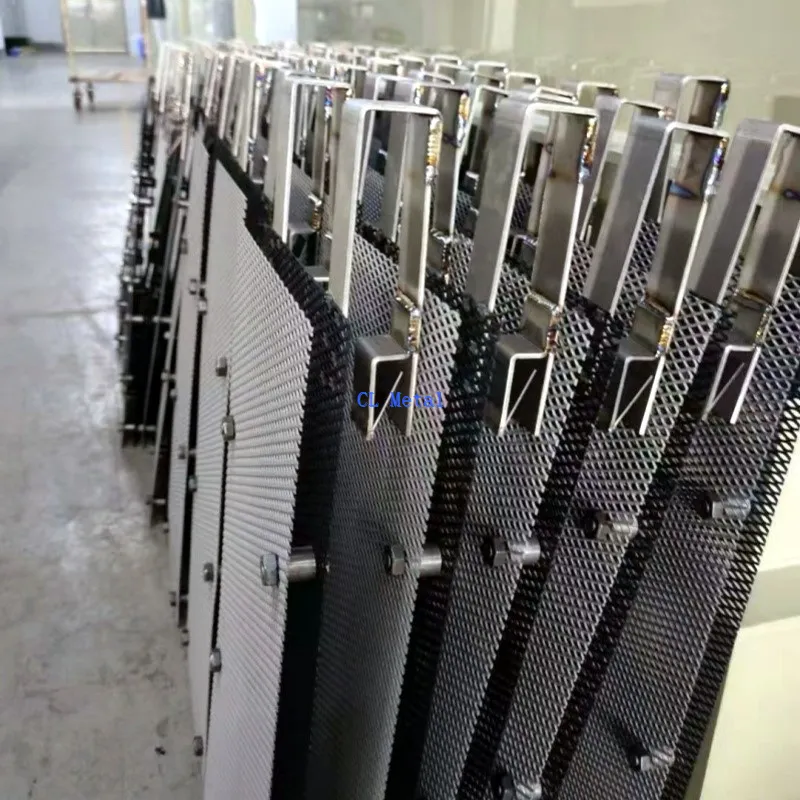
The core of the titanium anode pool disinfection system lies in the precise control of electrochemical reactions. When the pool water containing 3%-5% sodium chloride flows through the electrolytic cell, the titanium anode with ruthenium-iridium oxide coating triggers a directional electrolytic reaction at a working voltage as low as 1.13V:
Anode reaction: 2Cl⁻ → Cl₂↑ + 2e⁻
Chlorine generation: Cl₂ + H₂O → HClO (hypochlorous acid) + H⁺ + Cl⁻
The oxidation-reduction potential (ORP) of hypochlorous acid (650-800 mV) has a bactericidal efficiency over 80 times that of traditional chlorine preparations, and can kill 99.99% of pathogenic bacteria such as Escherichia coli and Pseudomonas aeruginosa within 30 seconds.
Key technological innovations include:
Gradient coating process: Using a three-layer structure of tantalum metal base + oxidized tantalum transition layer + iridium-ruthenium oxide surface layer to effectively buffer thermal expansion differences
Micro-arc oxidation pretreatment: Forming a nano-scale honeycomb structure on the surface of the titanium substrate with a 20,000V high voltage, increasing the active area by 3 times and improving the electrolytic efficiency to 95.2%
Comparison between titanium anode and traditional disinfection methods
Comparison dimension Disinfection by titanium anode electrolysis Traditional chlorine disinfection Ozone disinfection
Bactericidal efficiency 99.99% of pathogens are killed within 30 seconds Requires several hours Fast but rapidly decays
Safety No chlorine gas leakage risk There is a risk of chlorine gas leakage Chlorine gas leakage poses hazards
Operating cost Annual operation and maintenance cost reduced by 58% High cost of chemicals High energy consumption of equipment
Service life 5-10 years 8-12 months 3-5 years
Water quality control Stable residual chlorine at 0.3-1.0 ppm High fluctuations Unstable
Environmental friendliness No by-products such as trichloromethane Produces carcinogenic by-products Produces bromate
The data shows that for a 2000m³ swimming pool, the annual power consumption of the ruthenium iridium titanium anode system is only 3800kW·h, which is 70% more energy-efficient than ozone disinfection. After the titanium anode was adopted in the swimming pool of the Guangzhou Asian Games Village, the qualified rate of water quality increased from 78% to 99.5%, and the incidents of microbial over-limit decreased by 92%.
Performance indicators and service life of titanium anodes
The key performance parameters of titanium anodes in swimming pool disinfection include:
Electrochemical performance:
Working voltage: 1.13V
Current density: 10-50A/m²
Current efficiency: 95.2%
Chlorine evolution overpotential: Reduced by 0.2V
Material performance:
Coating loss rate: 0.07μm/year
Salinity adaptability: 3%-5% sodium chloride
pH range: 6-9
Service life:
Laboratory data shows that after 5000 hours of continuous operation, the coating loss rate is only 0.07μm/year
The actual service life can reach 5-10 years, which is 3-5 times that of traditional electrodes
Our company has achieved large-scale production of ultra-thin titanium foil with a thickness of 0.03mm or less
Hot Tags: titanium anode for pool disinfection, China titanium anode for pool disinfection manufacturers, suppliers, factory, Gr5 Titanium Alloy Tube, Gr7 Titanium Plate, Iridium Ruthenium Platinum Titanium Anode, silver titanium, Titanium Alloy Screw, titanium suppliers


