

As a supplier of tungsten rods, I often encounter inquiries from customers about the suitability of our products in various environments. One question that comes up frequently is whether a tungsten rod can be used in a high - humidity environment. In this blog post, I will delve into the properties of tungsten rods, the impact of high humidity on them, and provide some guidance on using tungsten rods in such conditions.
Properties of Tungsten Rods
Tungsten is a remarkable metal known for its unique set of properties. It has the highest melting point of all metals, at approximately 3422°C (6192°F). This high melting point makes tungsten rods extremely resistant to heat, which is why they are widely used in high - temperature applications such as aerospace, electronics, and lighting industries.
In addition to its high melting point, tungsten has excellent hardness and density. Tungsten rods are very strong and can withstand significant mechanical stress. They also have good electrical and thermal conductivity, which is beneficial in applications where these properties are required.
The Impact of High Humidity on Tungsten Rods
High humidity refers to an environment where the air contains a large amount of water vapor. When a tungsten rod is exposed to high humidity, several factors come into play that can potentially affect its performance.
Oxidation
One of the primary concerns in a high - humidity environment is oxidation. Tungsten can react with oxygen in the presence of water to form tungsten oxide. The reaction is as follows:
2W + 3O₂ → 2WO₃
The rate of oxidation depends on several factors, including the temperature, the duration of exposure, and the purity of the tungsten. In general, at room temperature, the oxidation of tungsten in a high - humidity environment is relatively slow. However, as the temperature increases, the oxidation rate can accelerate significantly.
Corrosion
Although tungsten is generally considered to be corrosion - resistant, in a high - humidity environment, the presence of water and other contaminants in the air can lead to corrosion. For example, if there are acidic or alkaline substances in the air, they can react with the tungsten surface and cause corrosion. Corrosion can weaken the tungsten rod, reduce its mechanical strength, and affect its electrical and thermal properties.
Surface Contamination
High humidity can also lead to surface contamination of the tungsten rod. Water vapor can carry dust, dirt, and other particles in the air, which can deposit on the surface of the tungsten rod. This surface contamination can affect the performance of the tungsten rod in applications where a clean surface is required, such as in semiconductor manufacturing.
Using Tungsten Rods in High - Humidity Environments
Despite the potential challenges, tungsten rods can still be used in high - humidity environments with proper precautions.
Coating
One way to protect tungsten rods from oxidation and corrosion in a high - humidity environment is to apply a protective coating. There are various types of coatings available, such as ceramic coatings and metal coatings. These coatings can act as a barrier between the tungsten rod and the surrounding environment, preventing oxygen and water from reaching the tungsten surface.
Storage and Handling
Proper storage and handling are also crucial when using tungsten rods in high - humidity environments. Tungsten rods should be stored in a dry place with low humidity. When handling tungsten rods, it is important to wear gloves to prevent fingerprints and other contaminants from being transferred to the surface of the rod.
Monitoring and Maintenance
Regular monitoring and maintenance of tungsten rods in high - humidity environments are necessary. Visual inspections can be carried out to check for signs of oxidation, corrosion, or surface contamination. If any issues are detected, appropriate measures should be taken immediately, such as cleaning the surface or replacing the rod if necessary.
Applications of Tungsten Rods in High - Humidity Environments
Despite the challenges, there are still some applications where tungsten rods can be used in high - humidity environments.
Marine Industry
In the marine industry, tungsten rods can be used in applications such as underwater welding and cutting. Although the marine environment is highly humid and corrosive, with proper coating and maintenance, tungsten rods can withstand the harsh conditions and perform their functions effectively.

Food Processing Industry
In the food processing industry, high - humidity environments are common. Tungsten rods can be used in equipment such as heating elements and sensors. The high melting point and good thermal conductivity of tungsten make it suitable for these applications. However, it is important to ensure that the tungsten rods are properly cleaned and maintained to prevent contamination of the food products.
Related Tungsten Products
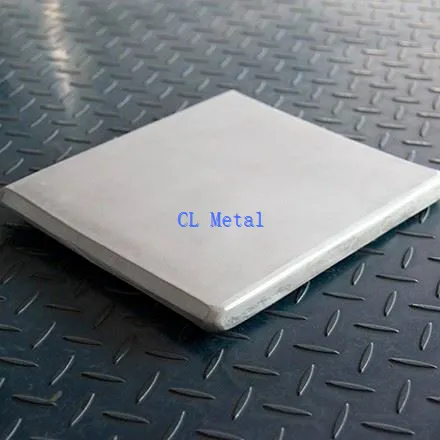
In addition to tungsten rods, we also offer a range of other tungsten products, such as Tungsten Target, Tungsten Crucibles, and Tungsten Plate. These products also have their own unique properties and applications, and they can also be used in various environments with proper care.
Conclusion
In conclusion, while a high - humidity environment can pose challenges to the use of tungsten rods, with proper precautions such as coating, storage, handling, and maintenance, tungsten rods can still be used effectively in such conditions. Tungsten rods have unique properties that make them suitable for a wide range of applications, even in high - humidity environments.
If you are interested in our tungsten rods or other tungsten products, or if you have any questions about using tungsten rods in high - humidity environments, please feel free to contact us for further discussion and procurement negotiation.
References
- ASM Handbook, Volume 13A: Corrosion: Fundamentals, Testing, and Protection. ASM International.
- "Tungsten: Properties, Chemistry, Technology of the Element, Alloys, and Chemical Compounds." Edited by R. Kieffer, L. Ettmayer, and E. Fischer. Springer - Verlag.