

Hey there! As a titanium supplier, I've seen firsthand how this amazing metal is revolutionizing the transportation industry. Today, I'm gonna talk about how titanium reduces the weight of transportation vehicles and why it's such a game - changer.
The Basics of Titanium
First off, let's get to know titanium a bit. Titanium is a strong, lightweight metal. It has a high strength - to - weight ratio, which means it can be just as strong as steel but much lighter. This unique property makes it ideal for use in transportation vehicles where weight is a critical factor.
When we're talking about transportation, every extra pound matters. Whether it's a car, a plane, or a train, reducing weight can lead to better fuel efficiency, higher speed, and improved overall performance. And that's where titanium steps in.
Titanium in Automobiles
In the automotive world, car manufacturers are constantly looking for ways to make cars lighter without sacrificing safety and performance. Titanium is a great solution.
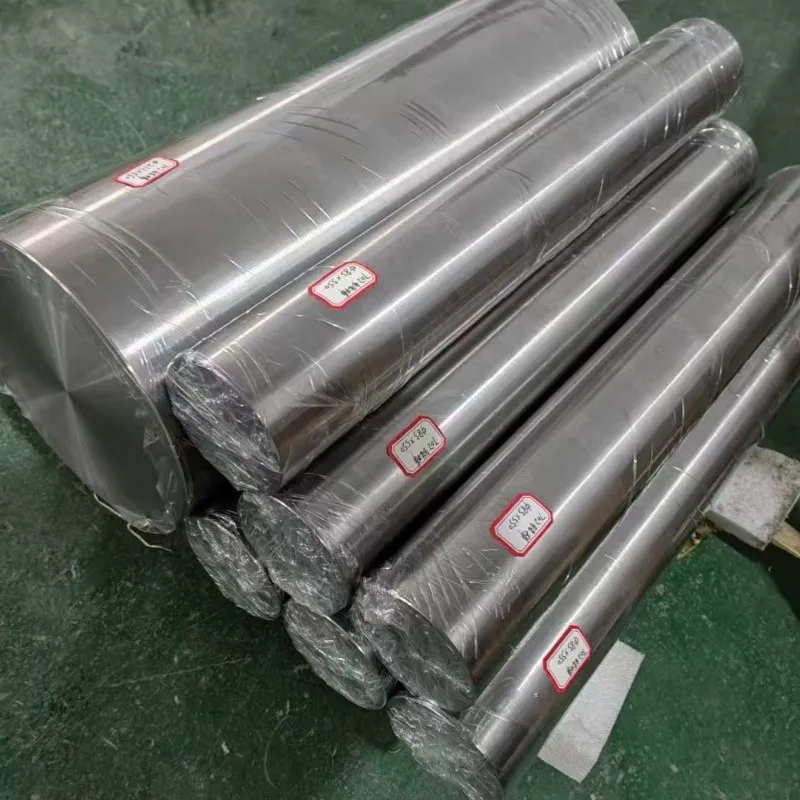
For instance, using titanium in engine components can significantly reduce weight. Engine parts like connecting rods and valves are often made from steel. But when we swap them out for titanium parts, we can cut down on weight substantially. A Gr1 Titanium Rod can be used in various engine applications. Grade 1 titanium is known for its excellent formability and corrosion resistance. By using these rods in engines, we not only reduce the weight of the engine but also improve its durability.
Another area where titanium shines in cars is in the exhaust system. Titanium exhausts are lighter than traditional steel exhausts. They also have better heat resistance, which means they can handle the high - temperature gases coming out of the engine more effectively. This not only reduces the overall weight of the vehicle but also improves the engine's efficiency.

Titanium in Aviation
Aviation is another industry that benefits greatly from titanium. Planes need to be as light as possible to fly efficiently. Titanium is used in many parts of an aircraft, from the airframe to the engine.
In the airframe, titanium alloys are used to replace heavier metals. The use of Titanium Alloy Investment Precision Casting allows for the creation of complex and lightweight parts. These castings can be used in areas like wing structures and fuselage frames. By using titanium in these parts, we can reduce the weight of the aircraft, which in turn reduces fuel consumption.
Engines are the heart of an aircraft, and titanium plays a crucial role here too. Gr5 Titanium Rod is commonly used in engine components. Grade 5 titanium, also known as Ti - 6Al - 4V, is one of the most widely used titanium alloys. It has high strength, good corrosion resistance, and can withstand high temperatures. Using Gr5 titanium rods in engine shafts and compressor blades helps to reduce the weight of the engine while maintaining its performance.
Titanium in Marine Transportation
Even in the marine industry, titanium is making waves. Boats and ships can benefit from the weight - reducing properties of titanium.
Titanium can be used in the construction of hulls and other structural components. Its corrosion resistance is a huge advantage in the harsh marine environment. By using titanium instead of steel in these parts, we can reduce the weight of the vessel. A lighter boat or ship requires less power to move through the water, which means better fuel efficiency.
Cost - Benefit Analysis
Now, I know what you're thinking. Titanium might be great for reducing weight, but isn't it expensive? Well, it's true that titanium is more costly than some other metals like steel. However, when we look at the long - term benefits, the cost becomes more justifiable.
The fuel savings from using titanium in transportation vehicles can be significant over time. A lighter vehicle consumes less fuel, which means lower operating costs. Also, the durability of titanium means that parts made from it last longer, reducing the need for frequent replacements. So, while the initial investment in titanium parts might be higher, the long - term savings in fuel and maintenance costs can make it a very attractive option.
Environmental Impact
Reducing the weight of transportation vehicles also has a positive environmental impact. When vehicles consume less fuel, they emit fewer greenhouse gases. This is crucial in the fight against climate change.
By promoting the use of titanium in transportation, we're not only helping our customers save money but also doing our part for the environment. It's a win - win situation.
Why Choose Our Titanium
As a titanium supplier, we offer high - quality titanium products. Our Gr1 Titanium Rod, Titanium Alloy Investment Precision Casting, and Gr5 Titanium Rod are all made to the highest standards. We have strict quality control measures in place to ensure that our products meet the specific requirements of the transportation industry.
We also have a team of experts who can provide technical support and advice. Whether you're an automobile manufacturer looking to reduce the weight of your cars or an aircraft company wanting to improve the efficiency of your planes, we can help you find the right titanium solutions.
Let's Talk
If you're in the transportation industry and are interested in using titanium to reduce the weight of your vehicles, I'd love to have a chat with you. We can discuss your specific needs, the best titanium products for your applications, and how we can work together to achieve your goals. Don't hesitate to reach out and start the conversation about how titanium can transform your transportation vehicles.
References
- "Titanium: A Technical Guide" by John C. Williams
- "Aircraft Materials and Structures" by Max Blair
- "Automotive Engineering Fundamentals" by Thomas D. Gillespie