

As a supplier of tungsten wire, I've spent years diving into its various properties and applications. One area that always piques my interest is how tungsten wire performs in a reducing atmosphere. In this blog, I'll share my insights on this topic, and also give you a heads - up on some related tungsten products we offer.
Understanding Reducing Atmospheres
First off, let's talk about what a reducing atmosphere is. A reducing atmosphere is essentially an environment where there's a tendency for substances to gain electrons. In most cases, it contains gases like hydrogen, carbon monoxide, or a mixture of them. These gases have a knack for removing oxygen from other substances, and that's where the "reducing" part comes in.
Tungsten Wire Basics
Tungsten wire is pretty amazing. It's got a super - high melting point (around 3422°C), which is the highest among all metals. It also has excellent tensile strength and good electrical conductivity. These properties make it a go - to material for many high - temperature and electrical applications, like in incandescent light bulbs, electron emitters, and heating elements.
Performance of Tungsten Wire in a Reducing Atmosphere
1. Oxidation Prevention
One of the biggest perks of using tungsten wire in a reducing atmosphere is oxidation prevention. Tungsten has a tendency to oxidize when exposed to oxygen at high temperatures. Oxidation can lead to the formation of tungsten oxides, which are brittle and can cause the wire to break. But in a reducing atmosphere, the reducing gases react with any available oxygen, preventing it from reacting with the tungsten. For example, hydrogen can react with oxygen to form water vapor. This keeps the tungsten wire clean and intact, extending its lifespan significantly.
2. Grain Growth and Structure
The reducing atmosphere can also have an impact on the grain structure of tungsten wire. At high temperatures, tungsten grains tend to grow, which can affect the mechanical properties of the wire. In a reducing atmosphere, the reducing gases can interact with the surface of the tungsten, influencing the diffusion processes that lead to grain growth. This can result in a more uniform grain structure, which in turn can improve the wire's strength and ductility.
3. Chemical Purity
Reducing atmospheres can help maintain the chemical purity of tungsten wire. During high - temperature processing, impurities in the wire can react with oxygen and form unwanted compounds. In a reducing environment, these impurities are more likely to be removed or kept in their elemental form. This is crucial because impurities can degrade the performance of the tungsten wire, especially in applications where high purity is required, such as in the semiconductor industry.
Related Tungsten Products
We're not just limited to tungsten wire. We also offer some other great tungsten products.
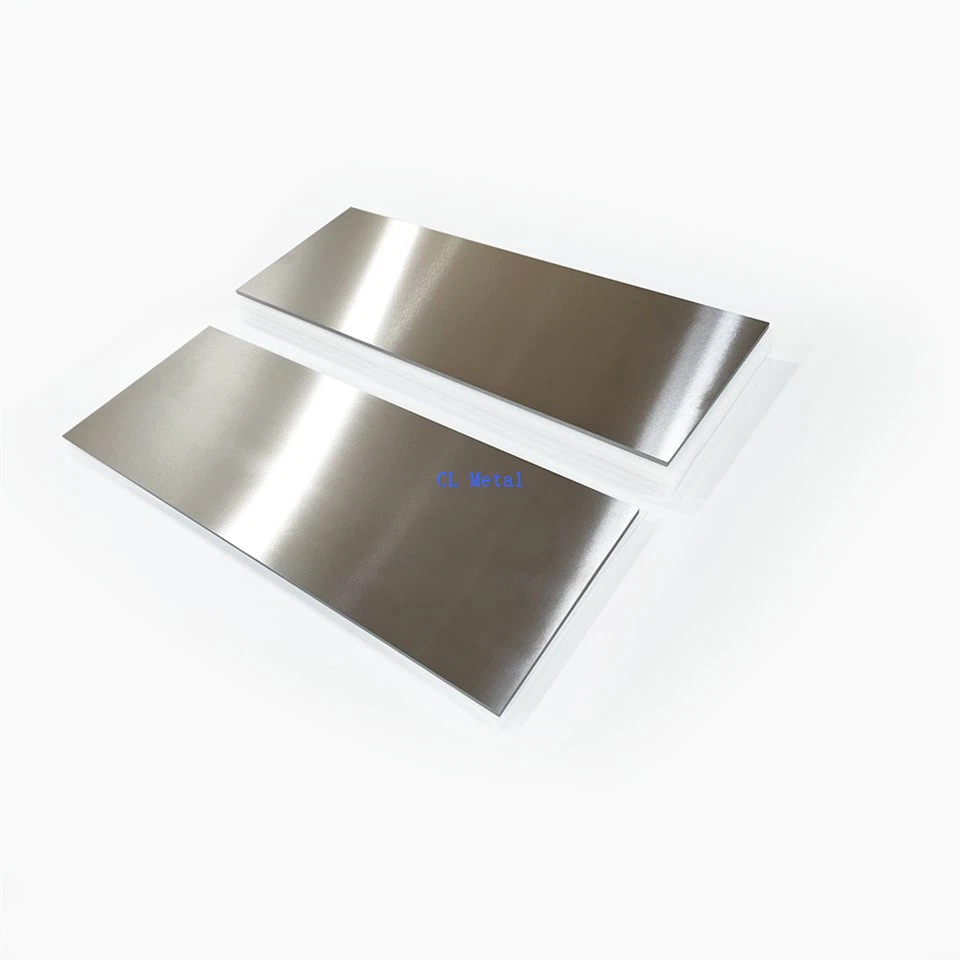
If you're interested in flat tungsten pieces, check out our Tungsten Plate. Tungsten plates are used in a variety of applications, from high - temperature furnace linings to radiation shielding. They have similar high - temperature resistance and strength properties as tungsten wire.
Another product we have is Tungsten Base High Density Alloy. These alloys are made by combining tungsten with other metals like nickel, iron, or copper. They have extremely high density, which makes them ideal for applications such as counterweights, radiation shielding, and kinetic energy penetrators.
We also supply Tungsten Copper Alloy. This alloy combines the high thermal and electrical conductivity of copper with the high melting point and strength of tungsten. It's used in applications like electrical contacts, heat sinks, and EDM electrodes.
Applications of Tungsten Wire in Reducing Atmospheres
There are several industries where tungsten wire's performance in a reducing atmosphere is put to good use.
1. Semiconductor Industry
In semiconductor manufacturing, high - temperature processes are common. Tungsten wire is used as heater elements in diffusion furnaces and other high - temperature equipment. The reducing atmosphere helps prevent oxidation of the wire, ensuring stable and long - term operation. This is crucial because any failure of the heating element can lead to production delays and quality issues in semiconductor chips.
2. Metalworking
In some metalworking processes, like sintering and brazing, tungsten wire can be used as a heating source. A reducing atmosphere in these processes not only protects the tungsten wire but also helps in achieving better bond quality between metals. For example, in brazing, the reducing atmosphere can prevent the formation of oxides on the surfaces of the metals being joined, resulting in a stronger and more reliable bond.
3. Lighting Industry
Although the use of incandescent bulbs is declining, there are still some specialized lighting applications that use tungsten wire. In a reducing atmosphere, the tungsten wire in these bulbs can last longer and maintain a more consistent light output. This is because the reducing environment prevents the evaporation of tungsten atoms from the wire, which is one of the main reasons for the dimming and eventual failure of incandescent bulbs.
Factors Affecting Tungsten Wire Performance in Reducing Atmospheres
There are a few factors that can influence how well tungsten wire performs in a reducing atmosphere.
1. Gas Composition
The type and concentration of reducing gases in the atmosphere matter. For example, hydrogen is a very effective reducing gas, but its concentration needs to be carefully controlled. Too high a concentration can lead to hydrogen embrittlement of the tungsten wire, which can reduce its strength and ductility.
2. Temperature
Temperature plays a big role. Higher temperatures can accelerate the chemical reactions in the reducing atmosphere, but they can also increase the rate of grain growth in the tungsten wire. So, it's important to find the right balance between temperature and reducing gas effects to get the best performance from the wire.

3. Exposure Time
The longer the tungsten wire is exposed to the reducing atmosphere, the more its properties can change. Extended exposure can lead to more significant changes in grain structure and chemical composition. This needs to be considered when designing processes that use tungsten wire in reducing atmospheres.
Conclusion
In conclusion, tungsten wire performs really well in a reducing atmosphere. It benefits from oxidation prevention, improved grain structure, and better chemical purity. These advantages make it suitable for a wide range of applications in industries like semiconductors, metalworking, and lighting. And if you're looking for other tungsten - based products, we've got you covered with our Tungsten Plate, Tungsten Base High Density Alloy, and Tungsten Copper Alloy.
If you're interested in purchasing tungsten wire or any of our other products, feel free to contact us for a detailed discussion. We're always happy to help you find the right solution for your specific needs.
References
- Smith, J. (2018). "Properties and Applications of Tungsten and Its Alloys". Elsevier.
- Johnson, A. (2020). "High - Temperature Materials and Their Applications". Springer.
- Brown, C. (2019). "Reducing Atmospheres in Industrial Processes". Wiley.