

Hey there! As a supplier of Zirconium Target, I've had the chance to see firsthand how this versatile material is used across various industries. In this blog, I'll share with you some of the industries that commonly use zirconium target and why it's so valuable to them.
Electronics Industry
The electronics industry is one of the biggest consumers of zirconium target. Zirconium target is used in the production of thin film deposition, which is a crucial process in manufacturing electronic components such as semiconductors, flat - panel displays, and memory devices.
In semiconductor manufacturing, thin films of zirconium compounds are deposited on silicon wafers. These films can act as insulating layers, gate dielectrics, or diffusion barriers. The unique electrical properties of zirconium - based materials, like high dielectric constant, make them ideal for reducing power consumption and increasing the performance of semiconductor devices. For instance, in advanced microprocessors, zirconium - containing dielectrics help to reduce leakage currents, allowing for more efficient operation.
When it comes to flat - panel displays, zirconium target is used to create thin films that enhance the display's performance. These films can improve the contrast ratio, color accuracy, and durability of the display. The use of zirconium - based coatings can also protect the display from scratches and environmental damage. You can check out more about our zirconium products like Zr0947 Zirconium Plate which might be relevant for some of these electronic applications.
Aerospace and Aviation Industry
In the aerospace and aviation industry, zirconium target is used for its excellent corrosion resistance and high - temperature stability. Zirconium - based coatings are applied to various aerospace components to protect them from harsh environmental conditions.
For example, turbine blades in jet engines operate under extremely high temperatures and are exposed to corrosive gases. By using zirconium target to deposit protective coatings on these blades, their lifespan can be significantly extended. These coatings can prevent oxidation and corrosion, which are major factors that can lead to blade failure.
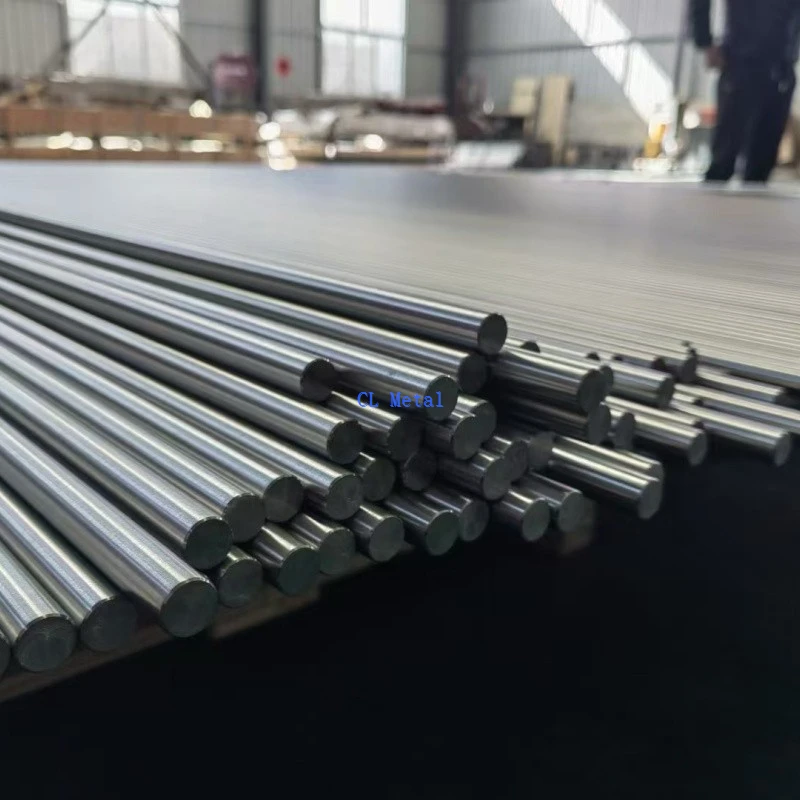
Zirconium is also used in the production of aerospace structural components. Its high strength - to - weight ratio makes it an attractive material for parts where weight reduction is crucial without sacrificing strength. Our Zirconium Rods and Zirconium Alloy Rods could potentially be used in the manufacturing of such components.
Medical Industry
The medical industry benefits greatly from the use of zirconium target. Zirconium is biocompatible, which means it is well - tolerated by the human body and does not cause adverse reactions. This property makes it ideal for use in medical implants.
Dental implants are one of the most common applications. Zirconium - based implants are strong, durable, and have a natural - looking appearance. They can be used to replace missing teeth, providing a long - term solution for patients. Zirconium target is used to produce the high - quality zirconium materials required for these implants.
In addition, zirconium is used in medical imaging equipment. For example, zirconium - containing scintillators are used in positron emission tomography (PET) scanners. These scintillators can detect gamma rays emitted by radioactive tracers in the body, allowing for detailed imaging of internal organs and tissues.
Energy Industry
The energy industry, especially the nuclear power sector, has a long - standing use of zirconium target. Zirconium has a low neutron absorption cross - section, which makes it an ideal material for use in nuclear reactors.
Zirconium alloys are used to make fuel cladding tubes in nuclear reactors. These tubes surround the nuclear fuel rods, protecting them from the coolant and preventing the release of radioactive materials. The excellent corrosion resistance of zirconium alloys ensures the long - term integrity of the fuel cladding, which is crucial for the safe operation of nuclear reactors.
In the renewable energy field, zirconium target is also finding applications. For example, in the production of solar cells, zirconium - based materials can be used to improve the efficiency and stability of the cells. Zirconium coatings can reduce reflection and increase light absorption, leading to higher energy conversion rates.
Jewelry Industry
The jewelry industry has started to take advantage of zirconium's unique properties. Zirconium dioxide, also known as cubic zirconia, is a popular diamond substitute. It has a high refractive index and sparkle, similar to that of a diamond, but at a much lower cost.
Zirconium target is used in the production of cubic zirconia gemstones. The deposition process using zirconium target can create high - quality cubic zirconia with consistent color and clarity. Cubic zirconia is used in a wide range of jewelry items, from rings and necklaces to earrings and bracelets.
Why Choose Our Zirconium Target?
As a supplier of Zirconium Target, we pride ourselves on providing high - quality products. Our zirconium target is made from the purest raw materials, ensuring its performance and reliability in various applications.
We have a team of experts who are dedicated to quality control. Every batch of zirconium target undergoes strict testing to meet the highest industry standards. Whether you're in the electronics, aerospace, medical, energy, or jewelry industry, our zirconium target can meet your specific requirements.

Let's Connect for Your Zirconium Target Needs
If you're interested in purchasing zirconium target for your industry, don't hesitate to get in touch. We're here to answer any questions you might have and help you find the right zirconium target solution for your business. Whether you need a small quantity for research purposes or a large - scale supply for mass production, we can accommodate your needs. Just reach out, and let's start a conversation about how we can work together.
References
- "Handbook of Thin Film Deposition Technology"
- "Materials Science in Aerospace Engineering"
- "Biomaterials in Medicine"
- "Nuclear Engineering Principles"
- "Jewelry Manufacturing Techniques"