

Tungsten, a remarkable metal, has long fascinated scientists, engineers, and industries alike due to its extraordinary properties. One of the most notable characteristics of tungsten is its hardness. In this blog, we will delve into the concept of the hardness of tungsten, explore its significance, and understand how it impacts various applications. As a tungsten supplier, we are well - versed in the properties of this exceptional metal and are excited to share our knowledge with you.
Understanding Hardness in Metals
Before we specifically discuss the hardness of tungsten, it's essential to understand what hardness means in the context of metals. Hardness is a measure of a material's resistance to localized deformation, such as scratching, indentation, or abrasion. There are several methods to measure hardness, including the Brinell, Rockwell, and Vickers hardness tests. Each test has its own scale and application, but they all aim to quantify how difficult it is to change the shape of a material under a specific load.
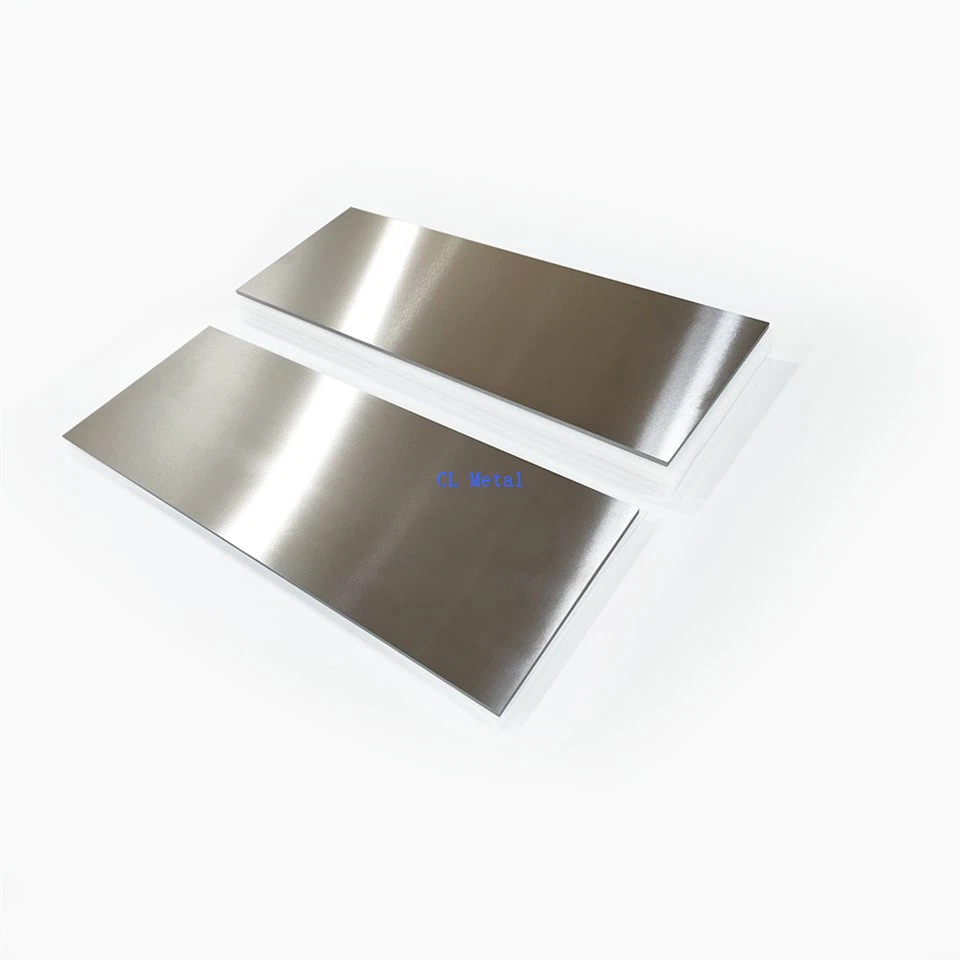

The Hardness of Tungsten
Tungsten is renowned for its high hardness. On the Mohs scale, which ranges from 1 (softest, like talc) to 10 (hardest, like diamond), tungsten has a hardness of approximately 7.5. This places it among the harder materials on the scale, indicating its ability to resist scratching and wear. In terms of Vickers hardness, tungsten typically has a value of around 350 - 400 HV, depending on its purity and the processing it has undergone.
The high hardness of tungsten can be attributed to its atomic structure. Tungsten has a body - centered cubic (BCC) crystal structure. In this structure, the atoms are arranged in a relatively compact and stable manner. The strong metallic bonds between the tungsten atoms make it difficult for external forces to displace the atoms, resulting in a high resistance to deformation.
Significance of Tungsten's Hardness in Applications
Industrial Cutting Tools
The hardness of tungsten makes it an ideal material for industrial cutting tools. Tungsten carbide, a compound of tungsten and carbon, is extremely hard and wear - resistant. It is widely used in cutting tools such as drills, end mills, and turning inserts. These tools can maintain their sharp edges even when cutting through hard materials like steel, titanium, and cast iron. The high hardness of tungsten carbide allows for high - speed machining, increasing productivity and reducing tool wear. For example, in the automotive industry, tungsten carbide cutting tools are used to machine engine components, ensuring precision and efficiency.
Electrical Contacts
In electrical applications, the hardness of tungsten is crucial for electrical contacts. Tungsten has a high melting point and excellent resistance to arcing and erosion. When used in electrical switches and relays, its hardness ensures that the contacts can withstand the mechanical stress and electrical arcing that occur during operation. This results in reliable electrical connections and longer service life for the electrical devices.
Wear - Resistant Components
Tungsten is also used in the production of wear - resistant components. For instance, in the mining industry, tungsten - based parts are used in crushers, grinders, and other equipment that is subject to high levels of abrasion. The hardness of tungsten allows these components to withstand the harsh conditions and extend the lifespan of the equipment.
Tungsten Products We Offer
As a tungsten supplier, we offer a wide range of high - quality tungsten products that benefit from the metal's hardness.
Tungsten Wire
Our Tungsten Wire is known for its high strength and hardness. It is used in various applications, including lighting, heating elements, and electrical circuits. The hardness of the tungsten wire ensures that it can maintain its shape and integrity even under high temperatures and mechanical stress.
Tungsten Plate
Our Tungsten Plate is a versatile product with excellent hardness and flatness. It is used in applications such as radiation shielding, electrical contacts, and heat sinks. The hardness of the tungsten plate allows it to resist deformation and wear, making it suitable for demanding industrial environments.
Tungsten Base High Density Alloy
Our Tungsten Base High Density Alloy combines the high density and hardness of tungsten with the properties of other metals. These alloys are used in applications such as counterweights, radiation shielding, and military applications. The hardness of the alloy ensures its durability and performance in various conditions.
Factors Affecting Tungsten Hardness
While tungsten is inherently hard, several factors can affect its hardness.
Purity
The purity of tungsten plays a significant role in its hardness. Higher purity tungsten generally has a higher hardness because impurities can disrupt the crystal structure and weaken the metallic bonds. Our products are made from high - purity tungsten to ensure optimal hardness and performance.
Processing
The processing methods used to manufacture tungsten products can also affect their hardness. For example, cold working, such as rolling or drawing, can increase the hardness of tungsten by introducing dislocations in the crystal structure. Heat treatment can also be used to modify the hardness of tungsten, depending on the specific requirements of the application.
Why Choose Us as Your Tungsten Supplier
As a leading tungsten supplier, we have a deep understanding of the properties of tungsten, including its hardness. We offer high - quality tungsten products that are manufactured using advanced techniques to ensure consistent hardness and performance. Our products are widely used in various industries, and we have a proven track record of providing reliable and efficient solutions.
If you are looking for high - quality tungsten products, we invite you to contact us for procurement and further discussion. Our team of experts is ready to assist you in selecting the right products for your specific needs. Whether you need tungsten wire, plates, or high - density alloys, we can provide you with the best solutions.
References
- Callister, W. D., & Rethwisch, D. G. (2010). Materials Science and Engineering: An Introduction. Wiley.
- ASM Handbook Committee. (2000). ASM Handbook, Volume 2: Properties and Selection: Nonferrous Alloys and Special - Purpose Materials. ASM International.