

As a trusted supplier of Gr1 Titanium Wire, I often receive inquiries about the shelf life of this remarkable material. Understanding the shelf life of Gr1 Titanium Wire is crucial for both suppliers and customers, as it directly impacts the quality and performance of the product. In this blog post, I will delve into the factors that influence the shelf life of Gr1 Titanium Wire and provide insights on how to ensure its longevity.
What is Gr1 Titanium Wire?
Before we discuss the shelf life, let's briefly review what Gr1 Titanium Wire is. Gr1 Titanium is a commercially pure titanium grade known for its excellent corrosion resistance, high strength-to-weight ratio, and biocompatibility. These properties make it a popular choice in various industries, including aerospace, medical, marine, and chemical processing. Gr1 Titanium Wire is commonly used in applications such as springs, fasteners, and electrical components.
Factors Affecting the Shelf Life of Gr1 Titanium Wire
The shelf life of Gr1 Titanium Wire can be influenced by several factors, including storage conditions, surface finish, and the presence of contaminants. Let's take a closer look at each of these factors:
Storage Conditions
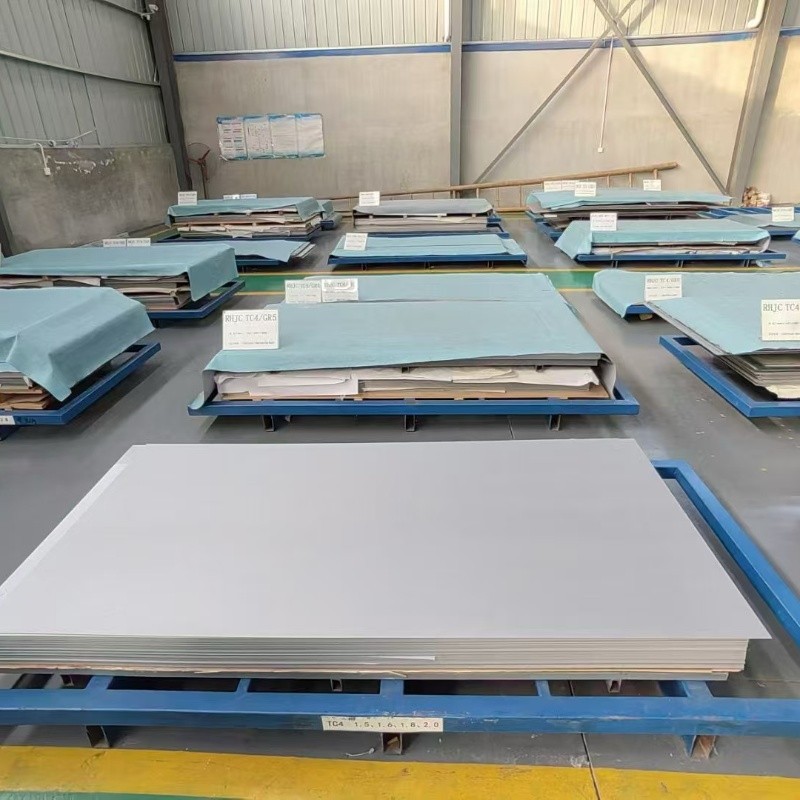
Proper storage is essential for maintaining the quality of Gr1 Titanium Wire. Exposure to moisture, humidity, and extreme temperatures can accelerate the oxidation process and lead to the formation of rust and corrosion. To prevent these issues, it is recommended to store Gr1 Titanium Wire in a dry, cool, and well-ventilated environment. Additionally, the wire should be protected from direct contact with other metals to avoid galvanic corrosion.
Surface Finish
The surface finish of Gr1 Titanium Wire can also affect its shelf life. A smooth and clean surface is less prone to corrosion than a rough or contaminated surface. Therefore, it is important to ensure that the wire is properly cleaned and coated before storage. Common surface finishes for Gr1 Titanium Wire include mill finish, polished finish, and passivated finish. Each finish offers different levels of protection against corrosion and should be selected based on the specific application requirements.
Contaminants
The presence of contaminants, such as dirt, oil, and chemicals, can also reduce the shelf life of Gr1 Titanium Wire. These contaminants can react with the titanium surface and cause corrosion or other forms of damage. To prevent contamination, it is important to handle the wire with clean gloves and avoid contact with any substances that may contain harmful chemicals. Additionally, the wire should be stored in a clean and dust-free environment.
Estimating the Shelf Life of Gr1 Titanium Wire
While it is difficult to provide an exact shelf life for Gr1 Titanium Wire, it is generally accepted that the material can have a long shelf life if stored properly. Under ideal conditions, Gr1 Titanium Wire can remain in good condition for several years. However, it is important to note that the shelf life can vary depending on the factors mentioned above.
To estimate the shelf life of Gr1 Titanium Wire, it is recommended to conduct regular inspections and tests. Visual inspections can help identify any signs of corrosion or damage, while chemical analysis can provide information about the composition and integrity of the wire. Additionally, it is important to follow the manufacturer's recommendations for storage and handling to ensure the longevity of the product.
Extending the Shelf Life of Gr1 Titanium Wire
To extend the shelf life of Gr1 Titanium Wire, there are several steps that can be taken:

Proper Storage
As mentioned earlier, proper storage is crucial for maintaining the quality of Gr1 Titanium Wire. By storing the wire in a dry, cool, and well-ventilated environment, you can minimize the risk of corrosion and other forms of damage. Additionally, it is important to protect the wire from direct contact with other metals and to use appropriate packaging materials.
Regular Inspections
Regular inspections can help identify any signs of corrosion or damage early on, allowing you to take corrective action before the problem worsens. Visual inspections should be conducted periodically, and any issues should be addressed immediately. Additionally, it is recommended to conduct chemical analysis and other tests on a regular basis to ensure the integrity of the wire.
Surface Treatment
Applying a protective coating or surface treatment can help extend the shelf life of Gr1 Titanium Wire. Common surface treatments include passivation, anodizing, and plating. These treatments can provide an additional layer of protection against corrosion and other forms of damage.
Conclusion
In conclusion, the shelf life of Gr1 Titanium Wire can be influenced by several factors, including storage conditions, surface finish, and the presence of contaminants. By understanding these factors and taking appropriate measures to protect the wire, you can ensure its longevity and maintain its quality over time. As a supplier of Gr1 Titanium Wire, I am committed to providing high-quality products and excellent customer service. If you have any questions or need further information about the shelf life of Gr1 Titanium Wire, please do not hesitate to [Contact us for procurement discussions].
References
- ASM Handbook, Volume 2: Properties and Selection: Nonferrous Alloys and Special-Purpose Materials
- Titanium: A Technical Guide, Second Edition
- Corrosion of Titanium and Titanium Alloys, Second Edition