

Hey there! As a zirconium supplier, I'm super stoked to talk about one of our key products: zirconium carbonate. You might be wondering, "What on earth is zirconium carbonate used for?" Well, buckle up, because I'm about to take you on a wild ride through the many applications of this amazing compound.

Ceramics and Glass Industry
One of the major uses of zirconium carbonate is in the ceramics and glass industry. In ceramics, it acts as a flux, which means it helps lower the melting point of the materials used in the production process. This makes it easier to shape and mold the ceramics into various forms. Whether it's creating delicate porcelain figurines or sturdy tiles for your kitchen floor, zirconium carbonate plays a crucial role.
In the glass industry, zirconium carbonate is used to improve the refractive index and chemical resistance of glass. This results in high - quality glass products that are not only more durable but also have better optical properties. Think about those fancy camera lenses or high - end display screens. Zirconium carbonate helps make them possible. It also enhances the thermal shock resistance of glass, which is why you can find it in laboratory glassware and even some types of cookware.
Catalyst Support
Zirconium carbonate is also widely used as a catalyst support. Catalysts are substances that speed up chemical reactions without being consumed in the process. And zirconium carbonate provides an ideal platform for these catalysts. It has a high surface area and good thermal stability, which means it can hold the active catalytic components in place and withstand high temperatures.
In the petrochemical industry, for example, catalysts supported by zirconium carbonate are used to break down large hydrocarbon molecules into smaller, more useful ones. This is a key step in the production of gasoline, diesel, and other fuels. It also helps in the removal of harmful pollutants from exhaust gases, making it an important part of environmental protection efforts.
Pigments and Coatings
When it comes to pigments and coatings, zirconium carbonate is a game - changer. It can be used as a white pigment, providing excellent opacity and brightness. In paints, it helps to cover the underlying surface more effectively, reducing the number of coats needed. This not only saves time and money but also results in a more uniform finish.
In the coatings industry, zirconium carbonate can improve the adhesion, hardness, and chemical resistance of the coating. Whether it's a protective coating for a metal surface or a decorative coating for a wooden object, zirconium carbonate enhances the performance and durability of the coating. It also has good weather resistance, which means that the coating will look good and last longer, even when exposed to the elements.
Electronics
The electronics industry also benefits greatly from zirconium carbonate. It is used in the production of capacitors, which are essential components in electronic circuits. Capacitors store and release electrical energy, and zirconium carbonate - based materials can improve their capacitance and stability. This is crucial for the proper functioning of electronic devices, from smartphones to laptops and even larger industrial equipment.
Moreover, zirconium carbonate can be used in the manufacturing of piezoelectric materials. Piezoelectric materials generate an electric charge when subjected to mechanical stress, and vice versa. They are used in a wide range of applications, including sensors, actuators, and ultrasonic devices. Zirconium carbonate helps to optimize the piezoelectric properties of these materials, making them more efficient and reliable.
Other Applications
There are many other interesting applications of zirconium carbonate. In the dental industry, it is used in the production of dental ceramics. These ceramics are used for crowns, bridges, and other dental restorations. Zirconium carbonate - based dental ceramics are strong, biocompatible, and have a natural - looking appearance, making them a popular choice among dentists and patients alike.
It is also used in the production of Zirconium and Zirconium Alloy Seamless Pipe Welded Pipe. These pipes are known for their excellent corrosion resistance and high strength, which makes them suitable for use in harsh environments, such as chemical processing plants and nuclear power stations.
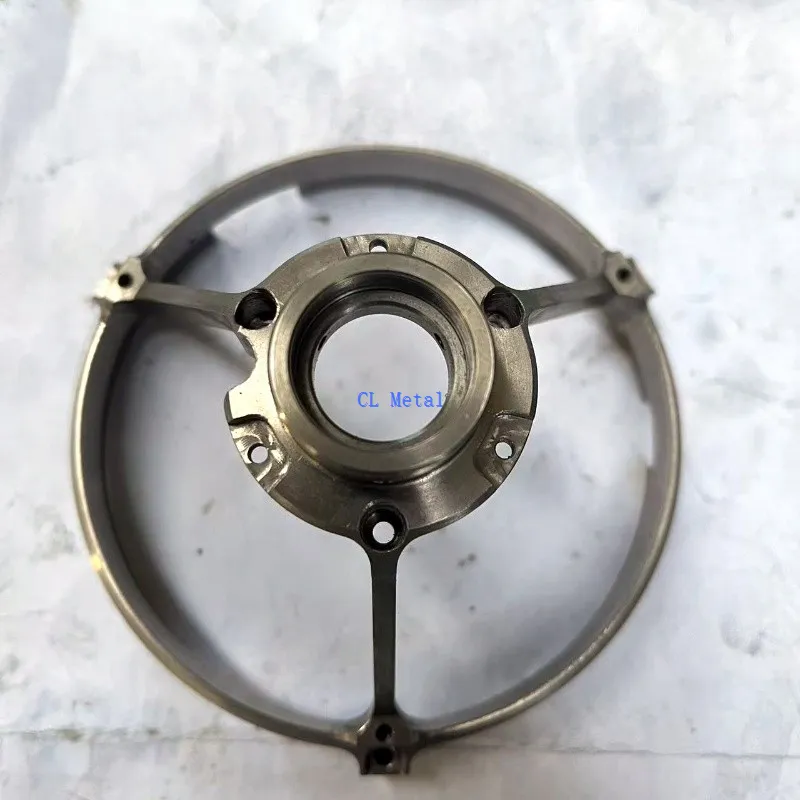
In addition, zirconium carbonate is used in the manufacturing of Industrial Zirconium Processing Parts. These parts are used in a variety of industrial applications, including machinery, equipment, and tools. They offer high precision and reliability, thanks to the unique properties of zirconium carbonate.
And let's not forget about Chromium Target Material. Zirconium carbonate can be used in the production process of chromium target materials, which are used in thin - film deposition techniques. These techniques are used to create thin films with specific properties, such as conductivity, reflectivity, and hardness, for various applications in the electronics, optics, and aerospace industries.
Why Choose Our Zirconium Carbonate?
As a zirconium supplier, we take pride in offering high - quality zirconium carbonate. Our product is produced using the latest manufacturing techniques and strict quality control measures. We ensure that it meets the highest standards in terms of purity, particle size, and chemical composition.
We also have a team of experts who are always ready to provide technical support and advice. Whether you're a small - scale manufacturer or a large industrial company, we can work with you to understand your specific needs and provide the right solution.
Let's Talk!
If you're interested in using zirconium carbonate for your business, I'd love to hear from you. Whether you have questions about its applications, need a sample to test, or are ready to place an order, don't hesitate to reach out. We're here to help you make the most of this amazing compound.
References
- "Handbook of Inorganic Chemicals" by George Wypych
- "Ceramics Science and Technology" by Ralf Riedel
- "Catalysis: An Integrated Approach" by Jacob A. Moulijn, Michiel Makkee, and Andries van Diepen