

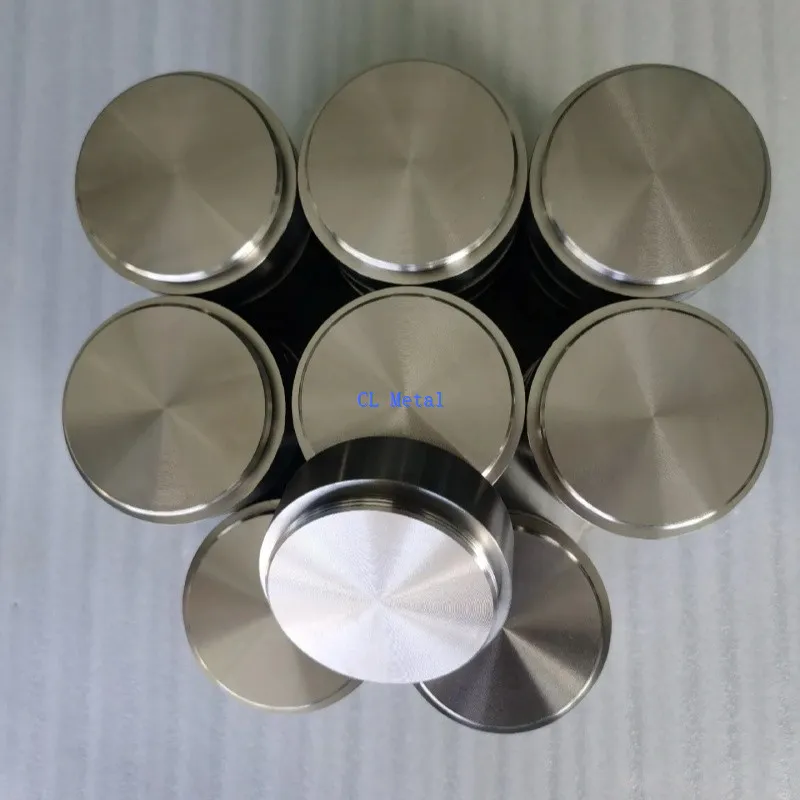
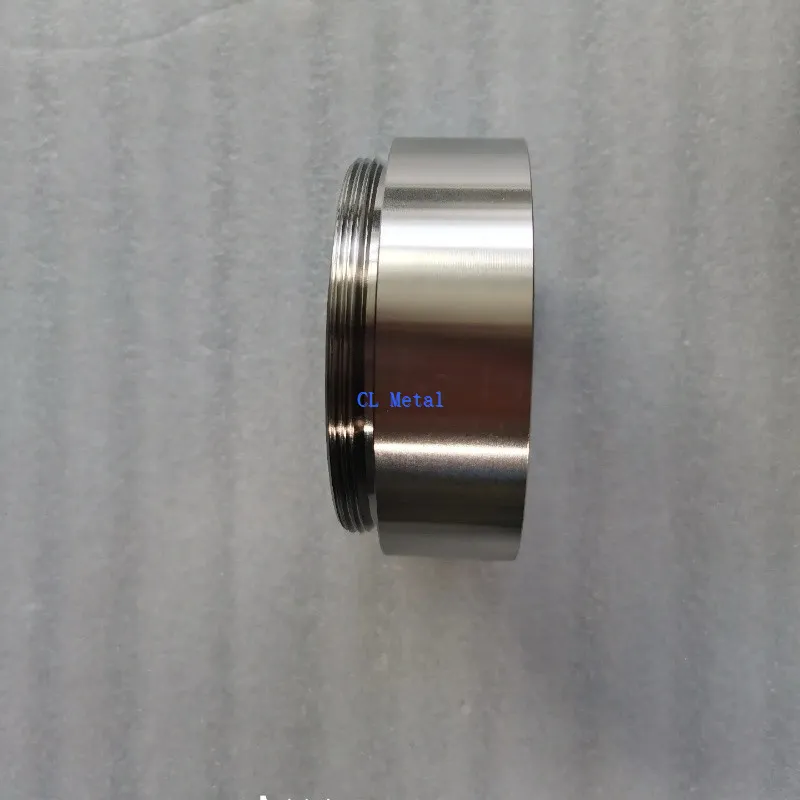
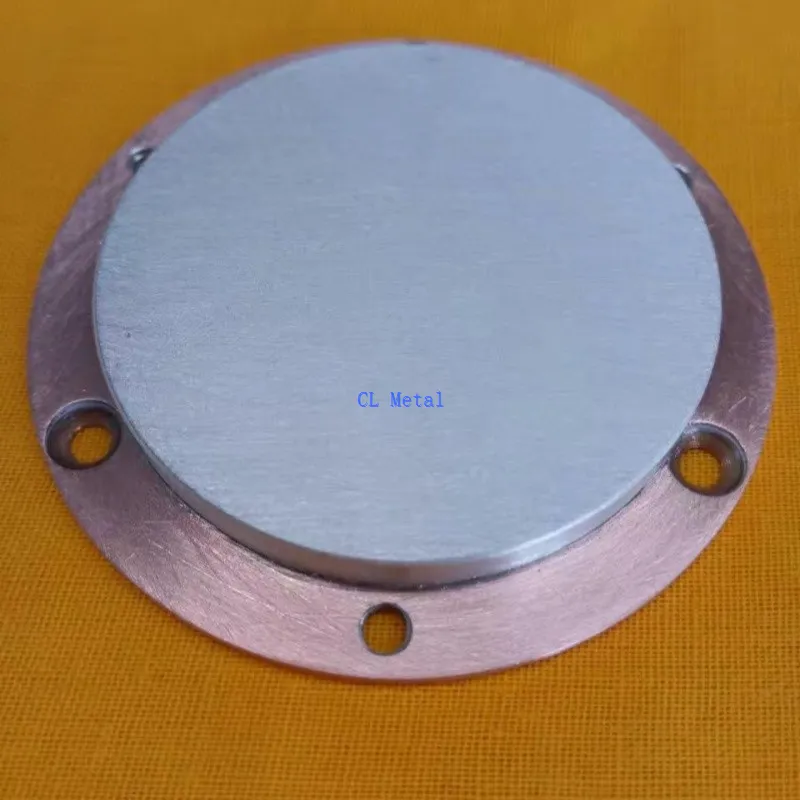
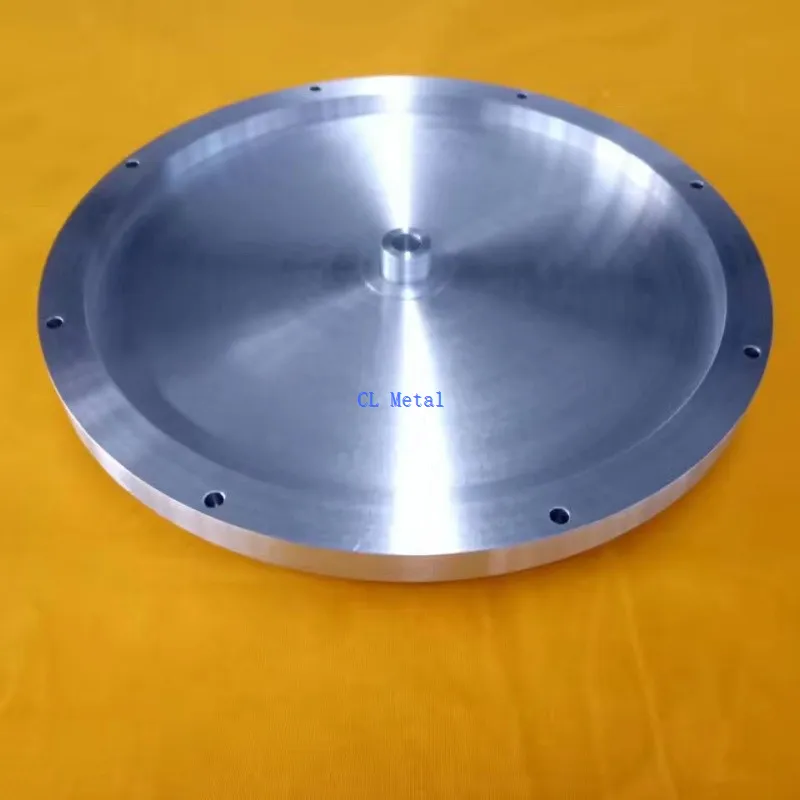
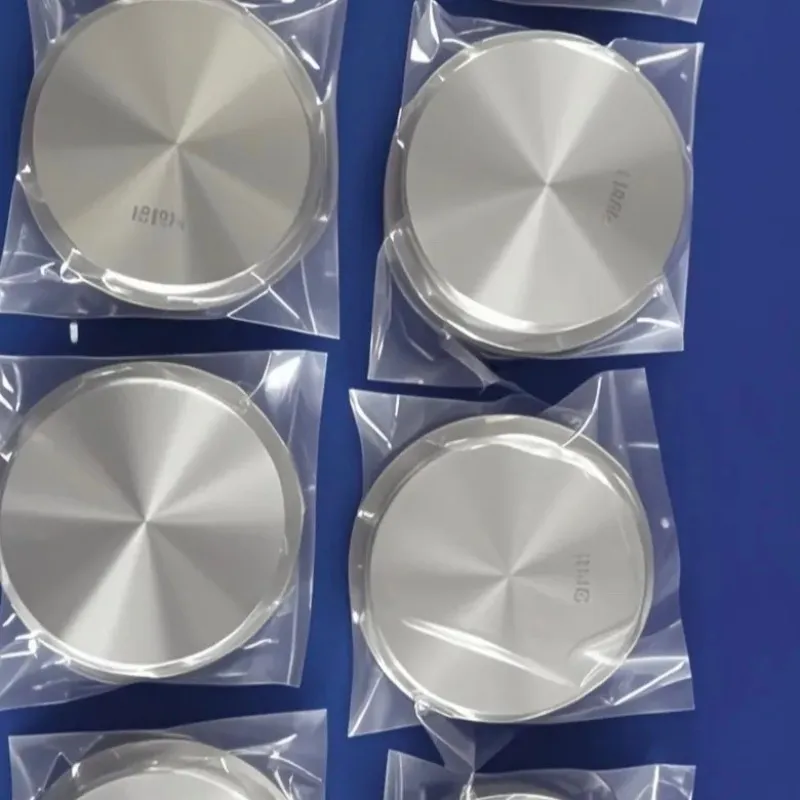
TiAl Sputtering Target is a titanium-aluminum source material for physical vapor deposition programs developing Ti-Al-based or reactively formed coatings. Available scope ranges from a bare machined target to a monolithic cathode-ready part or a joined target-and-backing assembly when the drawing establishes that boundary. It supports research trials, transfer of an established recipe, replacement targets, and repeat coating work across tooling, decorative, and functional surface programs. The material name alone does not define a target: titanium-to-aluminum proportion, calculation basis, impurity controls, geometry, and backing interface all influence what arrives at the chamber.
Buying logic starts with continuity between material identity and cathode fit. A coating team comparing compositions needs clearly separated alloy definitions. A maintenance team replacing an accepted target needs the controlled drawing and prior assembly scope. Both teams must qualify film color, hardness, stress, adhesion, wear behavior, and deposition rate in their own equipment because chamber history, gas flow, power, substrate preparation, temperature, and recipe contribute to those outcomes. The target order should make the source repeatable without presenting process-dependent film results as target guarantees.
The Composition Statement Must Have One Meaning
TiAl is a family description. The requested titanium-to-aluminum ratio should be written with the basis used to calculate it, such as the basis named by the buyer's material specification or approved analysis. An unlabeled percentage can be interpreted differently and should not carry a controlled coating program. Keep separate compositions under separate part numbers or revisions so film observations remain connected to a known source.
Purity requirements deserve the same discipline. A single headline percentage may not show which elements were measured or excluded. Identify process-sensitive impurities, reporting expectations, and analytical methods only where the coating risk assessment supports them. This focuses inspection on chemistry that can affect the program instead of creating a broad, costly list with no acceptance decision.
| Program question | Target order input | Qualification remains with |
|---|---|---|
| Which source chemistry is intended? | Ti/Al ratio, stated calculation basis, permitted range | Coating development team |
| Which contaminants matter? | Named impurity controls and reporting method | Process risk assessment |
| How will the target mount? | Controlled part and backing drawings | Cathode owner |
| What result releases repeat supply? | Material and dimensional acceptance plus trial quantity | Buyer deposition protocol |
Design the Assembly From the Cathode Backward
The drawing should identify the working face, mounting face, outer profile, thickness, shoulders, holes, threads, locating details, and edges that contact clamps or shields. For a segmented arrangement, show segment sequence and gaps. For a replacement, use the original controlled geometry; measurements from a worn target can misrepresent starting thickness and untouched interfaces.
Commercial scope needs a precise boundary. Target material only, a finished monolithic target, a new backing assembly, and joining to a buyer-owned backing plate are different products. If a backing is returned for reuse, its identity, drawing, ownership, previous service, cleaning condition, and condition at receipt affect whether reuse is practical. Distortion or interface damage may only become visible after inspection.
Where joining is included, define the selected joining route or the functional and inspection requirements established by the cathode design. Cooling contact and differential thermal response matter during service. Installation torque, coolant condition, interlocks, and the operating erosion limit belong to the equipment procedure, but they should be considered when reviewing an unusual failure or transferring a target between tools.

Working-Face Requirements Should Support Conditioning
The exposed face should be protected from edge impact, fingerprints, loose debris, and rubbing during transport. Surface controls need to serve the buyer's cleaning and conditioning route. A decorative mirror finish does not itself establish cleanliness or stable plasma behavior. Where machining texture or roughness matters, place the requirement on the correct face and provide a measurement basis in the drawing.
Mark any zones that must remain free from handling labels, coating, or contact material. Packaging films, separators, and protective covers should be compatible with the planned pre-installation cleaning. The outer case must restrain a heavy target through robust support areas, not load a bonded interface or expose a thin edge to impact.
Use a Limited Trial When More Than One Variable Is New
A new composition, changed target shape, revised backing, unfamiliar joining route, or new cathode introduces uncertainty. A limited qualification lot lets the team verify fit, conditioning, power behavior, erosion pattern, and film results before releasing a wider quantity. Keep chamber preparation and recipe variables controlled enough that the trial can distinguish source-material observations from unrelated process changes.
For an accepted replacement, provide the previous drawing revision, assembly definition, and relevant service history. Repeated arcing, cracking, unusual erosion, or cooling concerns should be described with operating context and photographs where available. A returned worn target can help failure review, but it cannot by itself prove the original dimensions or the cause of a chamber event.
| Supply stage | Practical release checks | Information retained for comparison |
|---|---|---|
| Machined target | Identity, profile, critical dimensions, working-face condition | Part number, lot, drawing revision |
| Backed assembly | Target checks plus backing and joining evidence | Backing identity and assembly record |
| First article | Fit and incoming acceptance before chamber trial | Installation and conditioning record |
| Repeat order | Continuity against approved material and drawing | Lot-to-lot deposition observations |
Choose Related Targets by Chemistry and Format
A Titanium Aluminum Target can be reviewed when the project calls for another Ti-Al target presentation or established catalog form. A Titanium Sputtering Target supplies a different source chemistry. Similar diameter or mounting features do not make either one an automatic material replacement for TiAl.
Internal comparison is useful when it clarifies the decision. Composition, source-material route, target construction, and cathode interface should be compared separately. Coating recipes may also need different reactive-gas control and conditioning when source chemistry changes, so material substitution should pass through the coating program's change process.
TiAl Target Purchasing Questions
Is a TiAl ratio understood without stating its basis?
No. Write the titanium-to-aluminum ratio with the contractual calculation basis and any permitted range. Otherwise, offers can describe different materials using similar numbers.
Can the target be joined to my existing backing plate?
That option can be evaluated after the backing material, drawing, ownership, service history, cleaning state, and physical condition are known. Acceptance may depend on inspection after return.
Does target purity guarantee coating color or hardness?
No. Source chemistry is one input. Substrate, gas control, power practice, chamber condition, temperature, and the full recipe affect the deposited film and require process qualification.
What is useful for a replacement-target enquiry?
Provide the accepted drawing, composition basis, target-and-backing boundary, previous part identity, installation details, and service observations. Do not derive a new drawing solely from an eroded piece.
Release a Target the Coating Team Can Trace
The enquiry should name TiAl Sputtering Target, the deposition method and equipment reference, alloy ratio and calculation basis, selected impurity controls, quantity, and delivery stage. Attach the revision-controlled target and backing drawings, identifying the working face, mounting details, and joining scope. Add required material analysis, dimensional inspection, assembly evidence, marking, working-face protection, package orientation, and destination. For development, state the trial quantity and the buyer's deposition release criteria. For repeat work, preserve the accepted part number and change history so source material remains linked to coating results.
Hot Tags: TiAl Sputtering Target, China TiAl Sputtering Target manufacturers, suppliers, factory, anodized titanium, nano tio2, titanium dioxide, titanium foam, titanium gold price, titanium stainless steel


