

As a trusted supplier of tungsten plates, I've witnessed the growing demand for this remarkable material across various industries. Tungsten plates are highly valued for their exceptional properties such as high melting point, excellent hardness, and remarkable density. However, one crucial factor that often concerns our customers is the corrosion rate of tungsten plates in different environments. Understanding this can help in making informed decisions regarding their applications.
Corrosion Mechanisms of Tungsten Plates
Before delving into the corrosion rates in different environments, it's essential to understand the basic corrosion mechanisms of tungsten. Tungsten is generally considered a relatively corrosion - resistant metal. In its pure form, it has a stable oxide layer that forms on its surface when exposed to oxygen. This oxide layer, mainly tungsten trioxide (WO₃), acts as a protective barrier against further oxidation and corrosion to some extent.
The corrosion of tungsten can occur through chemical and electrochemical processes. Chemical corrosion involves the direct reaction of tungsten with chemical substances in the environment, such as acids or alkalis. Electrochemical corrosion, on the other hand, takes place when there is an electrolyte present, and a potential difference is established between different parts of the tungsten plate, leading to the flow of electric current and subsequent corrosion.
Corrosion Rate in Oxidizing Environments
Air
In normal atmospheric conditions (air), tungsten plates have a relatively low corrosion rate. At room temperature, the oxidation of tungsten is a slow process. The formation of the WO₃ layer on the surface helps protect the underlying metal. The rate of oxidation increases with temperature. For example, at temperatures around 400 - 500°C, the oxidation becomes more significant, and the WO₃ layer may start to volatilize, which can accelerate the corrosion process.
Oxygen - rich Gases
In oxygen - rich gases, such as pure oxygen or oxygen - containing industrial gases, the corrosion rate of tungsten plates is higher compared to air. The increased oxygen concentration promotes the oxidation reaction. The corrosion rate also depends on factors like temperature and gas pressure. Higher temperatures and pressures generally lead to faster corrosion. For instance, in a high - pressure oxygen environment at elevated temperatures, tungsten can react vigorously with oxygen, forming volatile tungsten oxides and causing significant material loss.
Corrosion Rate in Acidic Environments
Dilute Acids
In dilute acids, the corrosion rate of tungsten plates varies depending on the type of acid. In dilute hydrochloric acid (HCl), tungsten is relatively resistant at room temperature. However, as the temperature and acid concentration increase, the corrosion rate may rise slightly. The reaction between tungsten and HCl is slow because the formation of a passive layer on the surface inhibits further reaction.
In dilute sulfuric acid (H₂SO₄), the corrosion behavior is similar. At low concentrations and room temperature, tungsten shows good resistance. But with increasing temperature and acid strength, the passive layer may break down, and the corrosion rate can increase.
Concentrated Acids
In concentrated acids, the corrosion of tungsten plates is much more severe. For example, in concentrated nitric acid (HNO₃), tungsten reacts readily. The strong oxidizing nature of nitric acid can break down the protective oxide layer and cause the tungsten to dissolve. The reaction products can be complex, including various tungsten oxides and nitrates.

Corrosion Rate in Alkaline Environments
Dilute Alkalis
In dilute alkaline solutions, such as dilute sodium hydroxide (NaOH), tungsten plates have a relatively low corrosion rate at room temperature. The formation of a protective layer on the surface helps prevent further corrosion. However, as the temperature and alkali concentration increase, the corrosion rate can increase due to the reaction between tungsten and the hydroxide ions.
Concentrated Alkalis
In concentrated alkaline solutions, the corrosion of tungsten is more significant. The high concentration of hydroxide ions can react with tungsten to form soluble tungstate salts. For example, in concentrated NaOH, tungsten reacts to form sodium tungstate (Na₂WO₄), leading to material loss.
Corrosion Rate in Saline Environments
In saline environments, such as seawater or salt - containing industrial solutions, the corrosion of tungsten plates is mainly an electrochemical process. The presence of salts in the solution provides an electrolyte, which can establish a galvanic cell on the surface of the tungsten plate. The chloride ions in seawater, for example, can break down the protective oxide layer, increasing the corrosion rate. The corrosion rate also depends on factors like temperature, salinity, and the presence of other contaminants in the solution.
Impact of Corrosion on Tungsten Plate Applications
The corrosion rate of tungsten plates in different environments has a significant impact on their applications. In industries where tungsten plates are used in high - temperature and oxidizing environments, such as aerospace and power generation, the corrosion resistance needs to be carefully considered. For example, in aerospace engines, where tungsten plates may be exposed to high - temperature and oxygen - rich combustion gases, the corrosion can lead to material degradation and reduced performance.
In chemical processing industries, where tungsten plates may be in contact with acids, alkalis, or salts, the corrosion can affect the quality and integrity of the products. If the corrosion rate is too high, the tungsten plates may need to be replaced frequently, increasing the cost of production.
How Our Tungsten Plates Address Corrosion Challenges
At our company, we understand the importance of corrosion resistance in tungsten plates. We offer high - quality tungsten plates that are carefully manufactured to ensure optimal corrosion resistance. Our manufacturing processes are designed to produce tungsten plates with a uniform and dense structure, which helps in forming a more stable protective oxide layer.
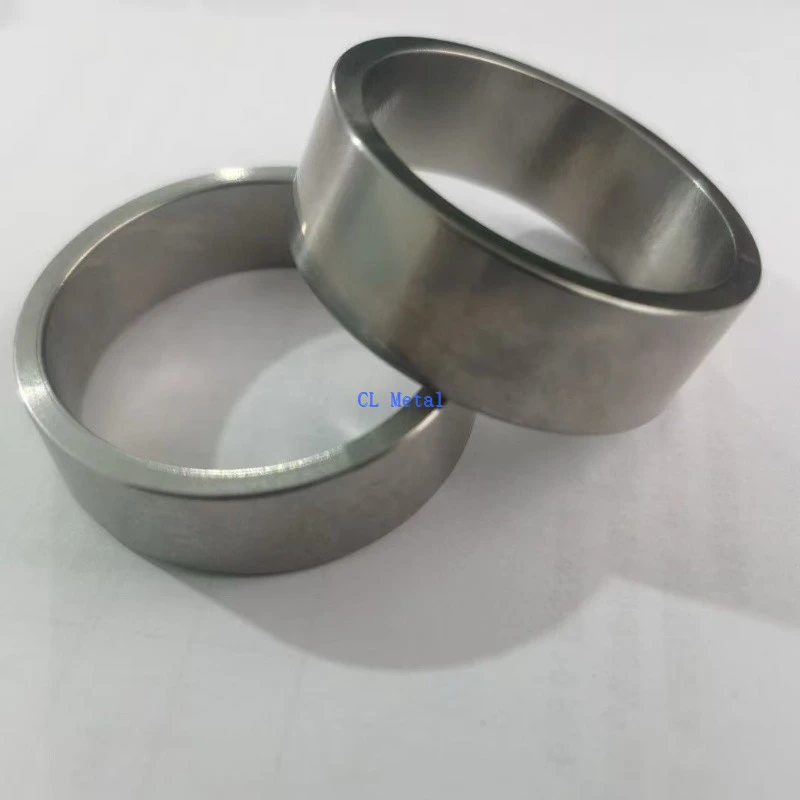
In addition to our standard tungsten plates, we also offer High - density Tungsten Alloy Ring, Tungsten Rod, and Tungsten Base High Density Alloy. These alloy products can provide even better corrosion resistance in specific environments. For example, some tungsten alloys may contain elements that enhance the formation of a more protective surface layer, reducing the corrosion rate.
Contact Us for Your Tungsten Plate Needs
If you're in need of tungsten plates or any of our related products, and you have concerns about corrosion in different environments, we're here to help. Our team of experts can provide you with detailed information about the corrosion resistance of our products and recommend the most suitable solution for your specific application. Whether you're in the aerospace, chemical, or any other industry, we can offer high - quality tungsten products that meet your requirements. Don't hesitate to reach out to us for procurement and further discussions.
References
- Jones, D. A. (1992). Principles and Prevention of Corrosion. Prentice - Hall.
- Uhlig, H. H., & Revie, R. W. (1985). Corrosion and Corrosion Control: An Introduction to Corrosion Science and Engineering. Wiley.
- Fontana, M. G. (1986). Corrosion Engineering. McGraw - Hill.