

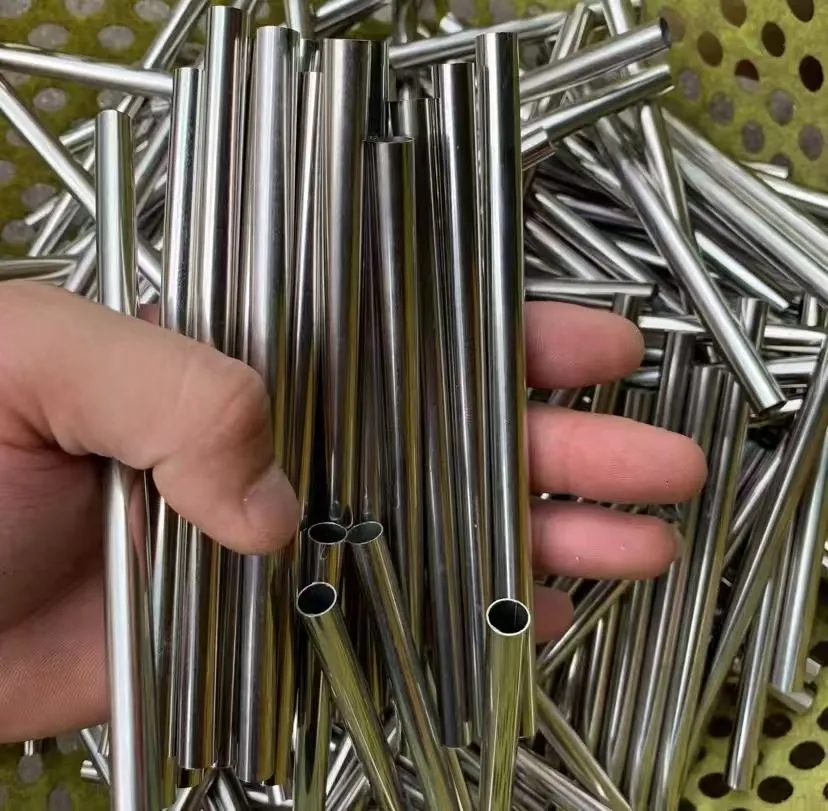
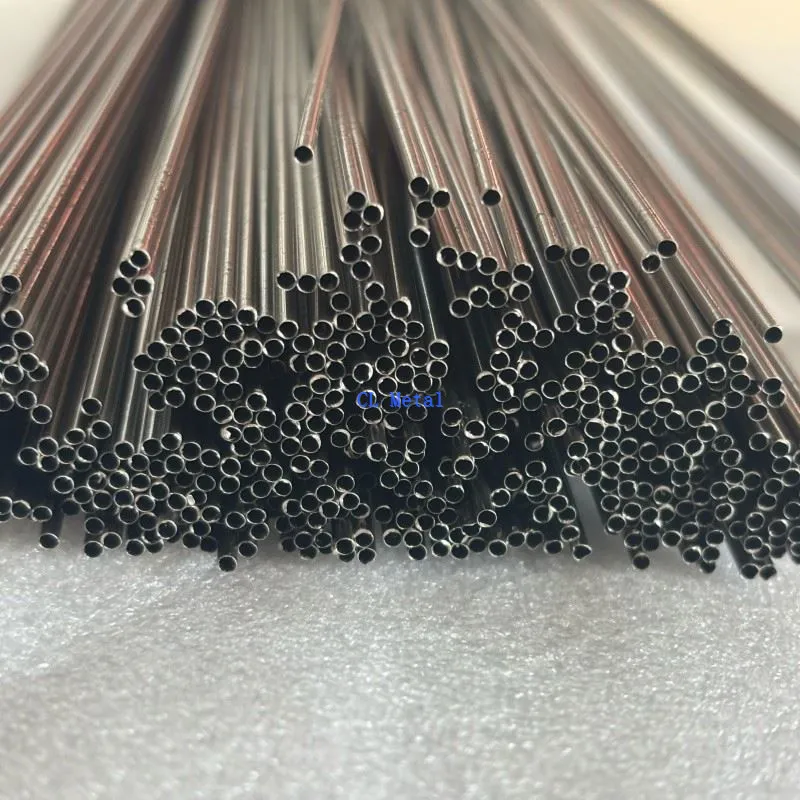
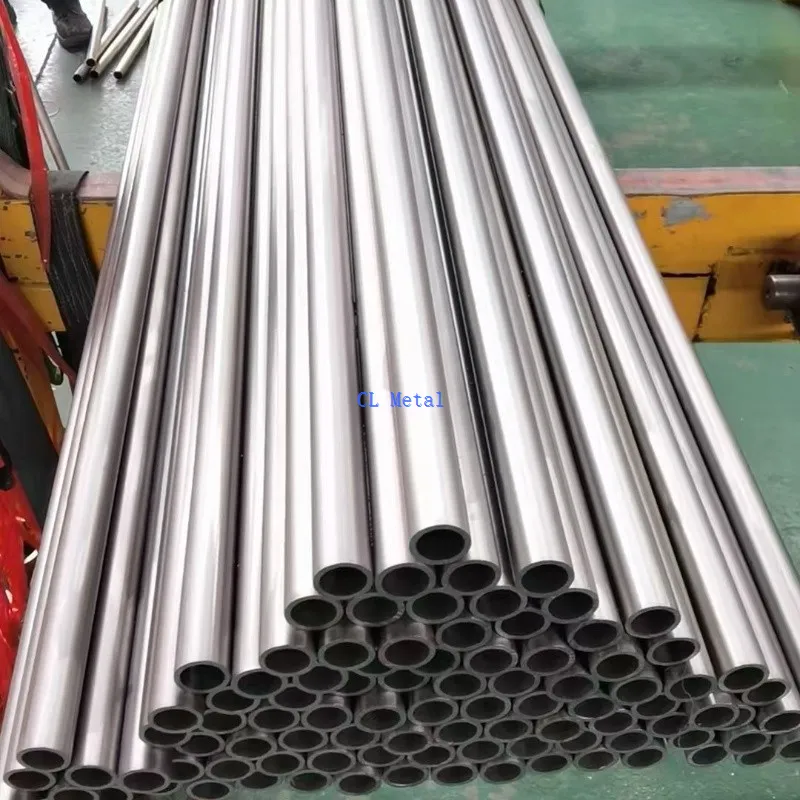
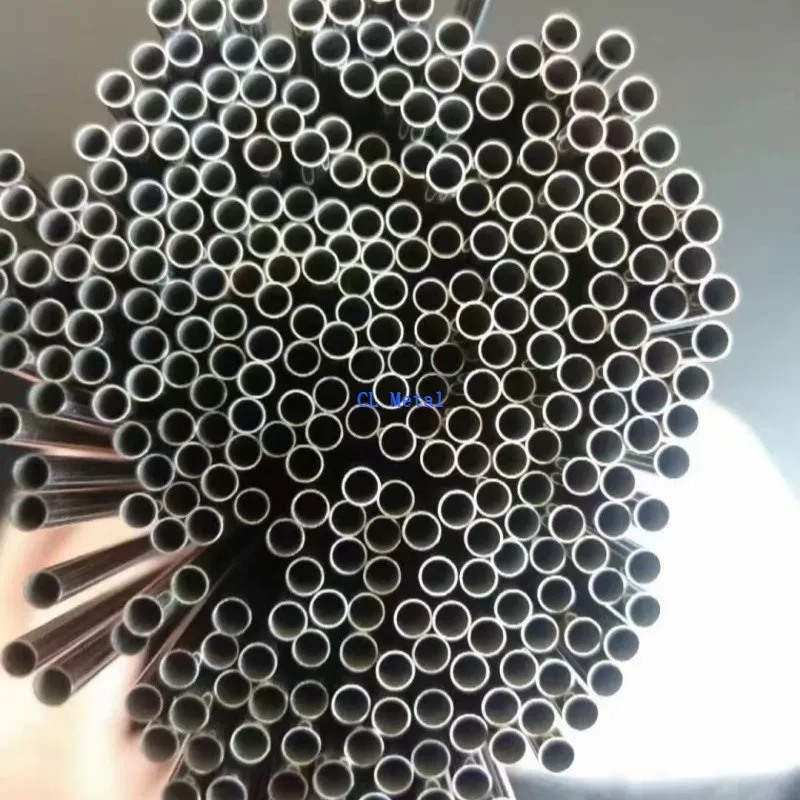
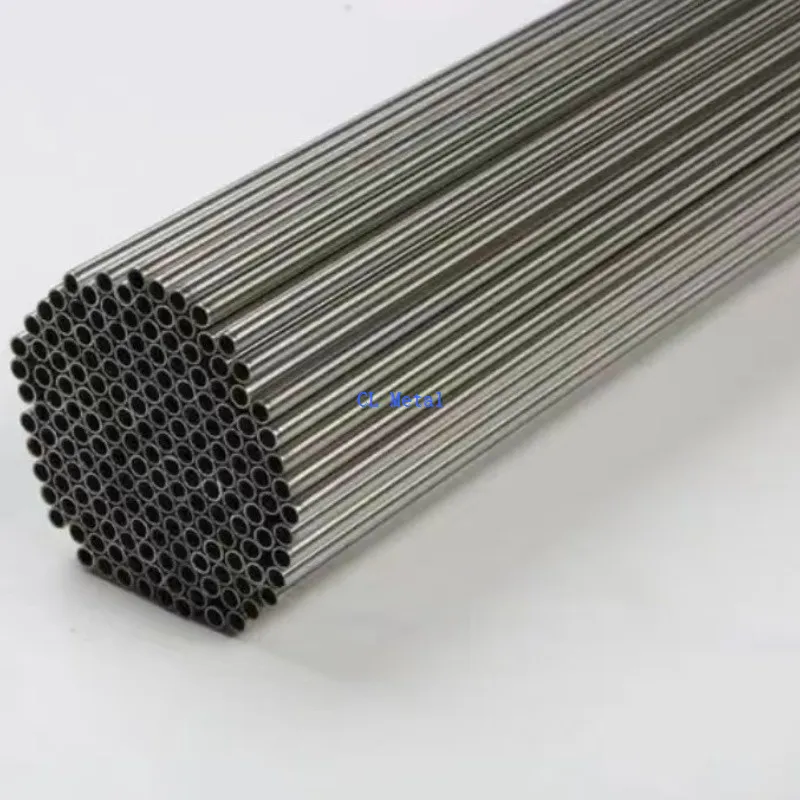
Nitinol Seamless Tube is nickel-titanium tubular stock for components that need a continuous lumen, a controlled cylindrical wall, and functional alloy behavior after downstream processing. It is commonly used as the starting form for laser-patterned structures, miniature sleeves, expandable elements, actuator details, and other precision parts that are cut, formed, shape set, ground, or finished after delivery. Seamless construction avoids a longitudinal weld line, but it does not by itself define dimensional uniformity, transformation response, surface condition, or finished-part life.
The strongest tube specification begins with the feature that must work in the completed component. Outside diameter may locate the stock in a machine or assembly. Inside diameter may control mandrel access, clearance, or flow. Local wall distribution may protect the width of laser-cut ligaments. Because OD, ID, and wall are geometrically connected, assigning unrelated tight limits to all three can create conflict rather than precision. The buyer should establish a dimensional hierarchy, state the incoming Nitinol condition, and identify every major thermal and mechanical operation planned after receipt.
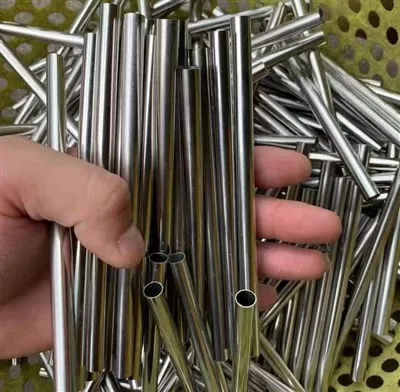
Choose Tube Only When the Lumen Adds Value
Tube is efficient when the finished design retains most of a cylindrical wall or relies on an internal passage. It is less direct for a solid pin, a flat flexure, or a shape that removes nearly all of the circumference. Round solid elements can start from Nitinol Wire. Flat patterned parts can use Nitinol Foil. Starting with the right section reduces scrap and avoids imposing tube inspection on another form.
Send the finished or next-stage drawing whenever possible. Identify retained surfaces, smallest patterned features, grip allowance, formed regions, and the part of the bore that remains functional. A nominal tube sketch does not show where eccentricity, end damage, or a surface mark will affect yield. The downstream drawing converts those characteristics into production priorities.
Set a Dimensional Hierarchy That Can Be Measured
| Tube characteristic | Functional question | Possible production effect |
|---|---|---|
| Outside diameter | Does OD locate in tooling or the assembly? | Feeding, rotation, and external fit |
| Inside diameter | What must pass through the lumen? | Mandrel access, clearance, or flow path |
| Wall distribution | Where does local section matter? | Laser-cut feature width and formed geometry |
| Straightness | What span is supported during loading? | Automatic feed and stable rotation |
| Ends and length | Are supplied ends retained or consumed? | Usable stock and setup allowance |
Average wall can conceal local thin and thick regions. If a patterned feature depends on the wall around the circumference, describe the local requirement and how it will be assessed. Straightness also needs a useful gauge length and support arrangement. A long free tube may not look straight on a bench but can still run in supported tooling; the reverse can occur when a local bend enters an automatic loader.
Measurement methods must be capable of resolving the tolerances they report. Define whether dimensions are taken at ends, along the length, around the circumference, or over a stated sample. Destructive wall checks consume material, so include test allowance in the ordered quantity rather than reducing the stock needed for production.
Incoming Alloy Condition Is a Baseline, Not the Finished Response
Nitinol response reflects composition and processing history. The order should name the required material definition, delivery state, and any applicable controlled document. If transformation behavior is inspected, identify the parameter, method, specimen condition, and acceptance range within the project requirements. Mechanical results likewise need test direction, temperature, sample preparation, and method to be interpreted correctly.
Laser cutting, expansion, crimping, grinding, shape setting, and electropolishing can change residual stress, surface, and transformation behavior. Incoming records support control of the starting tube. Functional recovery, force, fatigue, corrosion, and any device-specific outcome should be demonstrated after the representative component route. Keep the tube lot connected to process trials so changes can be investigated rather than guessed.
The Lumen Is Its Own Production Surface
The bore may contact a mandrel, carry fluid, receive another component, or remain as an inaccessible internal surface after patterning. Draw compounds, loose particles, oxide, and damaged ends can interfere with those uses. State the supplied lumen condition and the buyer's later cleaning route. Protected ends can reduce handling exposure, but any plug or sleeve must be removable without scratching the entrance or leaving residue.
External appearance should also be divided into retained and removable zones. Laser cutting can create recast and a heat-affected edge that is intentionally removed later. Grinding allowance will erase some marks. A retained thin ligament deserves more attention than stock consumed in a machine grip. Mapping surfaces to operations produces a better inspection plan than a blanket cosmetic requirement.

Prototype Quantity Must Include Process Learning
The first lot should cover machine loading, parameter development, destructive inspection, and representative finished parts. A quantity equal only to the desired device count leaves no material for setup or investigation. Run the trial through the intended laser, forming tools, thermal fixture, and finishing sequence. Record dimensional yield, lumen access, process cracks, retained surface, and functional test results that are relevant to the design.
Change one major variable at a time where practical. Simultaneously changing tube lot, laser settings, expansion fixture, and heat-setting cycle weakens every conclusion. When a trial succeeds, retain the incoming material definition and process record that made it meaningful. Repeat orders can then be compared against an actual baseline.
Long Thin-Wall Stock Needs Deliberate Transit Support
Rigid outer packaging should prevent permanent bending without clamping the tube at points that can dent the wall. Separated supports, protected ends, and sleeves may be useful where rubbing or lumen exposure matters. State the maximum package length and how receiving personnel will remove stock. Overpacked bundles that force tubes through tight restraints can create the damage they were meant to prevent.
Receiving review may include identity, documentation, selected dimensions, length, ends, straightness by the agreed method, exterior condition, and lumen state. Inner labels should preserve lot and size without adhesive touching a critical surface. If one length becomes many machine blanks, assign traceability at a practical level such as a tray or controlled production batch.
Nitinol Seamless Tube FAQs
Which dimension should control: OD, ID, or wall?
Use the feature that performs the primary function, then set compatible controls for the connected dimensions. Locating fit, lumen clearance, and local cut section may lead to different hierarchies.
Does seamless construction mean the wall is perfectly uniform?
No. Seamless describes how the tube is constructed. Wall distribution, concentricity, and local variation require their own practical definitions and measurement approach.
Can incoming transformation data qualify a laser-cut component?
It provides a material baseline. Cutting, forming, shape setting, and finishing can alter response, so the processed component needs testing under the buyer's controlled method.
Should tube ends be capped for shipment?
End protection can be useful when it keeps out debris and prevents impact. The cap design should not trap residue, mark the bore, or interfere with the receiving cleaning process.
Translate the Component Into a Tube Order
Request Nitinol Seamless Tube with the controlled material definition, incoming condition, dimensional hierarchy, length, quantity, and straightness basis. Identify retained OD and lumen zones, end condition, local wall priorities, and the measurements that support the production route. Add transformation evidence required at receipt, the planned laser, forming, shape-setting, and finishing steps, plus lot marking and supported packing. Attach the current component drawing and distinguish setup material from finished-piece quantity. This gives the tube a clear role as qualified stock rather than treating seamless construction as a complete performance specification.
Hot Tags: Nitinol Seamless Tube, China Nitinol Seamless Tube manufacturers, suppliers, factory, nickel, Nickel Foil Material


