


Tantalum Rod is round stock used to machine corrosion-exposed hardware, vacuum components, electrodes, pins, fasteners, feedthrough details, and laboratory parts. Its cylindrical form is most efficient when the finished item is rotational, threaded, or otherwise built around a round section. Tantalum's material value and specialized processing make usable yield especially important: diameter, straightness, end condition, cut length, and stock allowance influence cost long before the finished component reaches service.
The product can be ordered as full-length rod, saw-cut machining blanks, ground stock, or drawing-finished pieces. Each level moves a different amount of work into the supply scope. Material identity and condition remain central because unalloyed tantalum and tantalum-containing alloys cannot be treated as the same stock. A clear enquiry connects grade or composition, round geometry, surface state, and the intended conversion route. It also identifies how lot references will survive cutting, since one parent rod may become many small high-value parts that still need a reliable link to their material record.

Separate Unalloyed Tantalum From Named Alloys
Begin with the material designation approved for the part. State the grade, controlled composition, or governing document and the required delivery condition. If the project uses the word tantalum without further definition, resolve that identity before comparing offers. A tantalum alloy may have a different chemistry and processing basis even when the supplied pieces look identical.
Order only the tests connected to that material basis and component risk. A source-lot certificate can support incoming release, while machining, joining, cleaning, and service introduce separate part-level controls. When an alternative composition is commercially available, show it as a deviation rather than folding it into the requested material description.
Use Round Stock Where It Saves Metal
Rod naturally suits shafts, cylindrical electrodes, threaded bodies, pins, bushes, and other turned geometries. A broad flat component carved from large-diameter rod may waste most of the input mass. Comparing the finished envelope with strip, plate, or another form can reduce chips, cutting time, and remnant value without changing the approved material.
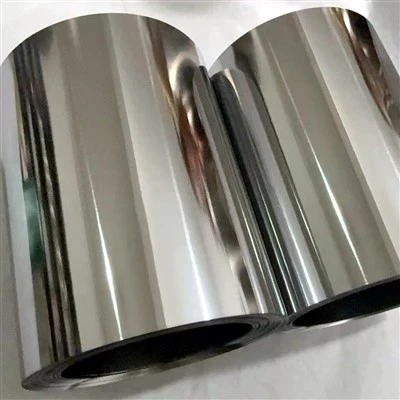
For flat, thin work, ASTM B708 Tantalum Strip offers a distinct product form when that material basis fits the drawing. Titanium Tantalum Rod retains the cylindrical form but represents a different alloy route. These alternatives answer geometry or composition questions separately; neither is an automatic replacement for the current tantalum rod.
Calculate Each Blank From the Workholding Plan
A cut blank needs stock for facing, gripping, center work where used, and final cleanup. Too little allowance can leave saw marks or insufficient material near a chucking zone; too much converts expensive input into chips. The drawing and machining sequence should identify nominal diameter, diameter tolerance, cut length, end state, minimum usable region, and any area reserved for marking.
Straightness matters in relation to length and setup. State the gauge length and measurement basis when it influences turning, grinding, or alignment through a fixture. Ground rod has a different dimensional and surface expectation from ordinary mill or turned stock, so describe the finishing route rather than relying on a generic smooth-surface request.
| Blank variable | Shop question | Quotation impact |
|---|---|---|
| Starting diameter | Will the full finished profile clean up? | Sets stock route and removal volume |
| Cut length | Is there room for holding and facing? | Changes piece yield from each rod |
| Straightness basis | Can the blank run in the intended setup? | May add straightening or finishing work |
| End condition | Are saw-cut ends acceptable at receipt? | Defines facing and protection scope |
| Piece identification | How will a small blank retain its lot link? | Adds marking, mapping, or tray control |
Machining Scope Must Say Where the Rod Ends
Full rod transfers all cutting and machining to the customer. Cut blanks add length control and piece identification. Rough-machined items can reduce freight mass and expose the stock earlier, while finished pieces require the current drawing, datums, feature tolerances, burr and edge requirements, and dimensional reporting. These scopes are not interchangeable in either price or acceptance.
Tantalum machining can involve challenging chip behavior, tool loading, and material movement. Tooling, support, parameters, coolant, and cleaning should be developed by the shop for the exact grade, condition, and geometry. The incoming rod order can assist by supplying suitable allowance, straightness, and surface condition without prescribing an unsupported universal machining recipe.
Corrosion and Vacuum Parts Ask Different Questions
Corrosion-service selection starts with every contacted medium, concentration, temperature, contaminant, cleaning step, flow condition, crevice, upset, and dissimilar-material interface. Tantalum is used in demanding environments, but its reputation does not replace a review of the complete assembly. Threads, joints, welded areas, and narrow clearances may experience conditions that differ from the open rod surface.
Vacuum applications shift attention toward cleaning residues, outgassing control, joining, thermal cycling, and contact with nearby furnace or feedthrough materials. Describe whether the rod becomes an electrode, support, fastener, feedthrough element, or another part. That role explains which surfaces remain exposed and which processing records matter after machining.
Preserve Value During Inspection and Packing
Incoming inspection may cover documents, material identity, diameter, length, straightness, surface, end condition, and quantity. Special mechanical or nondestructive tests need a stated method, sampling location, and acceptance basis. Finished components receive their own feature inspection, since raw-stock evidence does not release threads, bores, joints, or cleaned vacuum surfaces.
Long rods benefit from rigid support and restrained bundles that prevent bending or rubbing. Cut blanks can be separated in trays or wrapped individually when their ends, threads, or finished surfaces are vulnerable. Contact materials should not shed abrasive particles or leave residues that complicate the intended cleaning route. Labels and packing lists can connect each group or piece with grade, lot, dimensions, and order line.
| Supply stage | Useful acceptance focus | Identity method |
|---|---|---|
| Full rod | Material record, diameter, length, straightness, surface | Rod mark plus bundle label |
| Cut blanks | Added cut length, end state, count, protected surfaces | Piece mark or mapped tray position |
| Rough-machined stock | Datums, remaining allowance, exposed condition | Transferred mark tied to traveler |
| Finished detail | Drawing features, burrs, cleanliness, and reports | Part identification matched to records |
Tantalum Rod Questions From Machine Shops
Should rod be purchased by total mass or by blank yield?
Blank yield gives the more useful comparison. Evaluate how many acceptable pieces each offered diameter and length arrangement can produce, including workholding allowance, facing stock, remnants, and any sacrificial test material.
When is straightness worth specifying tightly?
Use a tighter requirement when runout, fixture passage, grinding, or a long turning setup creates a demonstrated need. Define the measurement length and support condition so the value can be checked consistently.
Can small cut pieces remain traceable without marking every surface?
Yes. Depending on part size and project rules, identity can be retained by a controlled tray map, labeled compartment, tag, or noncritical piece mark. The method needs to survive unpacking and transfer into production.
Is tantalum rod suitable for any corrosive chemical?
No material selection should rest on a general reputation. The exact grade, media, temperature, contaminants, flow, crevices, cleaning exposure, joints, and adjacent materials need evaluation for the specific component.
Request Rod in the Form the Shop Will Use
A practical enquiry lists Tantalum Rod, exact material identity, document and revision where applicable, condition, diameter, tolerance, length arrangement, quantity, straightness basis, and end state. Add blank allowance, finished drawing, full-rod or machining scope, service context, inspection, traceability, marking, packing, and destination. If scrap ownership or return of valuable remnants matters, include that commercial boundary. This information lets each offer show usable piece yield and processing scope rather than reducing a specialized material decision to nominal diameter and kilogram price.
Hot Tags: Tantalum Rod, China Tantalum Rod manufacturers, suppliers, factory, tantalum plate, tantalum ethoxide, harga tantalum, anodized tantalum, ta2o5, columbium tantalum


